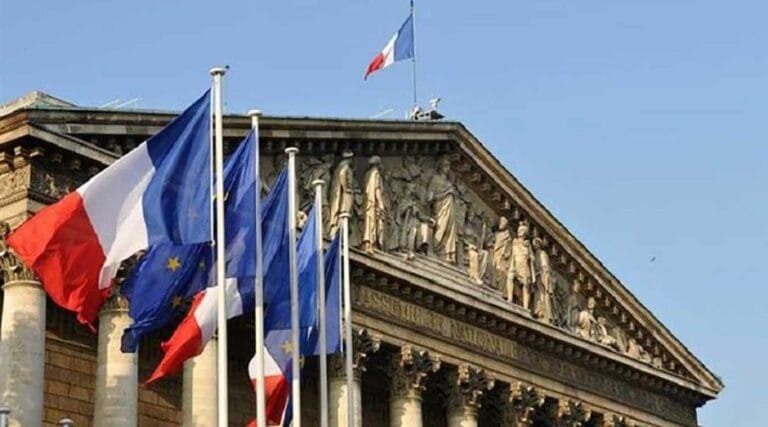
Paris, France – After months of grueling negotiations and political gridlock that paralyzed state institutions, the French government finally passed its 2026 budget. This move was described by political circles as essential to saving the French economy from a looming recession. The new budget, approved by parliament amidst intense parliamentary tensions, reflects the French president’s attempts to balance reducing the fiscal deficit with stimulating economic growth. This comes amidst mounting public pressure due to the rising cost of living.
The 2026 budget includes plans to boost investment in infrastructure and renewable energy, while also increasing social support for low-income families. This is seen as an attempt to quell public anger that has gripped France during recent protests against the government’s economic policies. The government has also allocated a significant portion of the spending to strengthening defense and security capabilities, against a backdrop of escalating regional threats and global instability.
Despite the government’s announcement of its success in passing the budget, labor unions and some opposition parties asserted that the budget would not resolve the economic and social problems. They also warned that France could face a new wave of protests if citizens’ purchasing power did not improve significantly.
Economic analysts suggest that the new budget could be a true test of the French president’s crisis management skills. This is particularly evident given the global economic slowdown and rising energy prices. Some believe the government will soon be forced to revise its tax policies and public spending to address the economic pressures, which will present the country with additional political challenges. The French budget for 2026 is therefore not merely a financial document, but an indicator of the state’s ability to overcome political and economic stagnation. It also reflects its capacity to meet citizens’ aspirations for economic and social stability. This comes at a time of heightened global tensions and escalating economic risks in Europe and around the world.