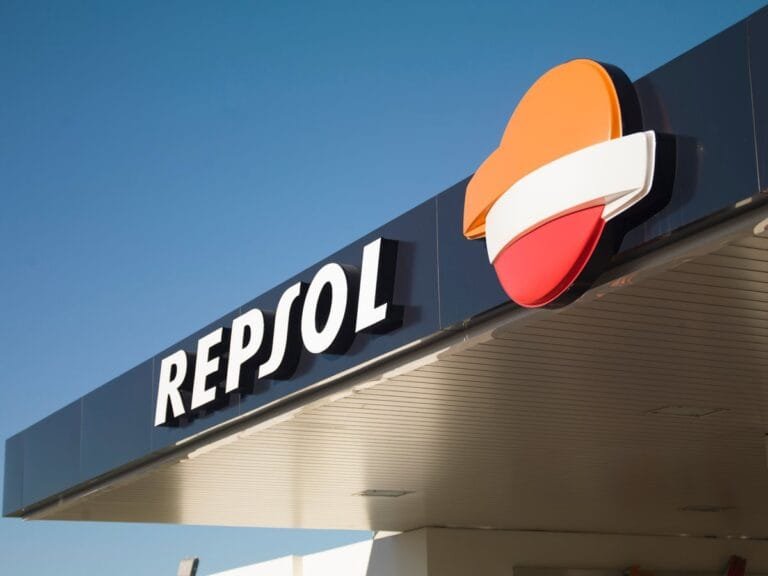
Madrid, Spain – The Spanish company Repsol has entered the political and economic fray surrounding Venezuelan oil. This move reflects the escalating international conflict over energy resources, as the company intensifies its pressure on the administration of US President Donald Trump. The aim is to reinstate Venezuelan oil export licenses that were suspended as part of sanctions imposed on Caracas.
According to multiple reports, Repsol believes that the continued US restrictions harm the interests of European companies and undermine the stability of global energy markets. This is particularly concerning given the geopolitical turmoil and the rising demand for alternative oil sources following supply cuts from other regions.
European interests in the crosshairs of sanctions
Repsol has existing investments in Venezuela’s energy sector. It seeks to maintain its presence there, believing that resuming oil exports not only benefits the Venezuelan economy but also helps alleviate pressure on the European market. The European market, in turn, is looking to diversify its energy sources and reduce its reliance on a single supplier.
Washington between politics and energy
In contrast, the US administration links any easing of sanctions on Venezuela to progress in domestic politics. This makes the oil issue a prime example of political pressure, not merely an economic decision. This places foreign companies in a highly complicated position.
A battle for influence that extends beyond Venezuela
Observers believe that Repsol’s move reflects a broader power struggle between Washington and European capitals over global energy policy. Oil decisions are no longer divorced from political and strategic calculations. This is especially true in regions experiencing chronic tension, such as Latin America. Caught between the push and pull of sanctions and competing interests, Venezuelan oil remains a significant bargaining chip in the international conflict. Major companies continue to exert pressure to restore supply flows in a race driven not only by markets but, above all, by politics.