Asia – The global carbon neutrality market is expected to experience strong growth at a compound annual growth rate of around 7.3% until 2035. This growth is mainly driven by increasing demand and huge investments in the Asia-Pacific region, specifically in China and India.
According to a comprehensive market analysis, the carbon neutrality market is expected to grow significantly. This market encompasses emissions reduction, renewable energy adoption, and carbon capture technologies. It is projected to increase from approximately US$12.5 billion in 2025 to US$27.22 billion by 2035.
Asian leadership and the emissions challenge
Asian leadership and the emissions challenge
China, the world’s largest emitter, is accelerating its investments in carbon capture and storage (CCS) technologies and renewable energy sources. This is aimed at achieving “dual carbon.”
The Asia-Pacific region is expected to achieve the highest regional compound annual growth rate (9-10%). This increase is supported by demand from China’s manufacturing and energy sectors.
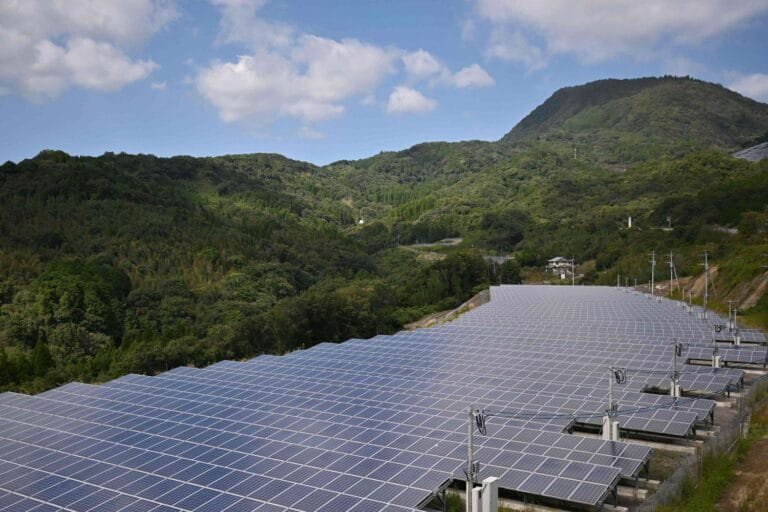
India’s drive to achieve net-zero emissions by 2070 is also fueling massive expansions in its renewable energy sector. The target is 500 gigawatts by 2030. This is expected to boost the South Asian market by 20-25%, driven by government incentives.
Together, the two countries account for more than 35% of emerging market demand. This reflects a shift in the global center of gravity from North America (currently holding 42.5% of the market share) to Asia.
Capture technologies are the engine of future growth.
Sustainable investments in technological advancements are a cornerstone of this growth, particularly in carbon capture technologies. The market for direct air capture technology is expected to grow significantly, reaching US$6.93 billion by 2035, representing an impressive compound annual growth rate of 43.3%. This growth is supported by incentives and tax breaks in the United States and the European Union.
Global funding for carbon neutrality initiatives reached US$1.5 trillion in 2025, with renewable energy sources and carbon capture technologies accounting for 60% of incoming flows.