Washington, DC – Artificial intelligence (AI) has once again become a central topic of discussion within US policymaking circles. This coincides with reports highlighting the growing role of Anthropic and its linguistic model, Cloud, in government and security environments. This comes amidst increasing questions about the limits of AI’s use within the White House and the Pentagon.
According to sources in both technical and political circles, internal debates are underway regarding the potential for AI systems to support strategic analysis and military decision-making. This debate is particularly intensifying given the rapid pace of international events and the increasing complexity of US national security issues.
In this context, a controversial question arises: if these models are more widely integrated into the military system, will they function as neutral advisory tools, or will they be subject to guiding pressures from military and political institutions? This raises the question of the “limits of autonomy” in AI used for sensitive decisions.
Experts believe that the integration of AI companies into the heart of the defense establishment represents a significant strategic shift. But at the same time, it raises concerns about transparency, data security, and the potential for over-reliance on systems that may be prone to errors or biases.
Between welcoming technological advancements and warning against their risks, the question remains in Washington: Will artificial intelligence become a partner in military decision-making, or merely a tool under the control of the generals?
Anthropic within the White House corridors: Controversy surrounds the use of “Claude” to support Pentagon decisions and the possibility of his subservience to military leadership
America and the limits of using artificial intelligence in decision-making

Medhat Elsheikh
Medhat El-Sheikh, editor-in-chief of the Voice of Emirates News Agency office in Cairo, is a seasoned Egyptian journalist with extensive experience both within Egypt and abroad....




Manchester United defeats Chelsea in the English Premier League (video)
London, England - Manchester United achieved a valuable victory over their host Chelsea with a score of 1-0, in the…

The UAE condemns the targeting of UNIFIL forces in southern Lebanon
The UAE expresses its solidarity with France after the attack.
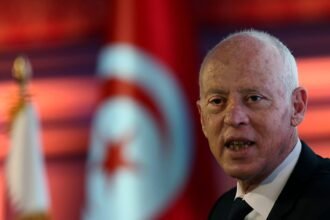
Kais Saied sends firm messages to the Muslim Brotherhood: There is no place for chaos in Tunisia
Tunisia: A firm message from President Kais Saied

Iran’s Revolutionary Guard expands its operations and targets sites in Iraqi Kurdistan amid escalating border tensions
Iraq: Iranian Revolutionary Guard and targeted areas