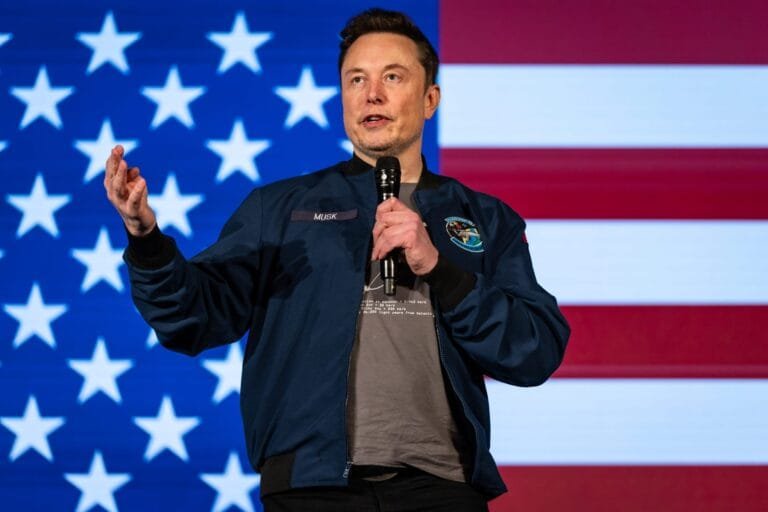
Washington, DC – In a move described as potentially reshaping the future of space exploration, billionaire Elon Musk plans to merge SpaceX with one of his artificial intelligence (AI) subsidiaries. This comes as part of an ambitious vision to enhance the efficiency of space operations and accelerate technological innovation beyond Earth.
According to informed sources, the project aims to leverage AI capabilities in managing spaceflights, analyzing complex data, and improving navigation and control systems. Furthermore, it will allow SpaceX to reduce reliance on direct human intervention and increase the safety and accuracy of space missions, including orbital and long-range missions. Observers see this move as a natural extension of Musk’s philosophy, as he has long championed the integration of advanced technology with space exploration. He views AI as the “brain” capable of managing complex environments like outer space, where errors are costly and decisions are made instantaneously.
The integration is expected to include the use of advanced machine learning systems to enhance the performance of Falcon rockets and Starship vehicles. Furthermore, it will support Musk’s long-term plans to send crewed missions to the Moon and Mars. This includes AI models capable of adapting to unpredictable conditions during long-duration missions.
Technical reports indicate that AI could play a pivotal role in monitoring malfunctions, predicting hazards, and managing resources within spacecraft. It also contributes to the analysis of the vast amounts of data generated by satellites. This gives SpaceX an unprecedented competitive advantage in the global space market.
Conversely, the move has raised questions about regulatory and ethical challenges, especially given the growing global debate surrounding the limits of artificial intelligence and its role in making critical decisions without full human oversight. However, those close to Musk insist that the project will be subject to strict frameworks to ensure safety and transparency.
This initiative comes at a time of escalating space races between private companies and major powers. Therefore, the integration of artificial intelligence and space exploration makes it a decisive factor in determining technological supremacy in the coming years.
Between the ambition of Mars and the power of machine intelligence, Elon Musk seems to be going beyond simply launching rockets into space; he is also seeking to redefine how we think about space itself. He is placing artificial intelligence at the heart of the next cosmic adventure.