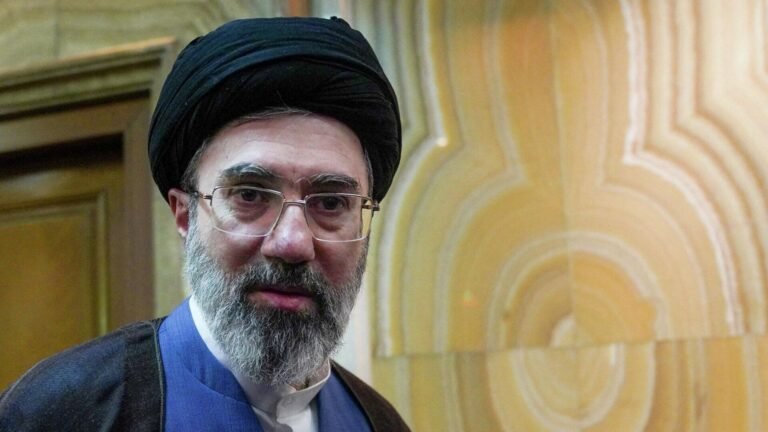
Tehran, Iran – Over the past few days, media outlets and social media platforms have circulated claims regarding the assassination of Iranian Supreme Leader Mojtaba Khamenei. Some reports even went so far as to claim that 49 days had passed since his death, sparking widespread controversy and questions.
However, official Iranian sources have categorically denied these reports. They affirmed that the Supreme Leader is still alive and carrying out his duties normally. They described the circulating rumors as a “systematic campaign of misinformation” aimed at sowing discord within Iranian society.
Media reports indicated that the frequent absence of certain political leaders from public view at specific times often opens the door to such rumors, especially given the regional tensions and political escalation in the region.
Analysts confirmed that the timing of these claims is not coincidental. Rather, it coincides with escalating international and regional pressure on Tehran, making media warfare a tool for influencing public opinion, both inside and outside Iran. They also emphasized that announcing the death of a figure of the stature of Iran’s Supreme Leader is subject to clear official procedures. It cannot pass without an official announcement or public ceremony, given the weight of the position and its political and religious influence.
This incident remains a recurring example of how rumors can become a subject of global controversy in the digital age, where information becomes intertwined with speculation, and verifying the source becomes a necessity, not a luxury.
Rumors precede the truth… What happened to the story of Khamenei’s burial after the allegations of his assassination?
Iran: How rumors are causing unrest on the Iranian street

Medhat Elsheikh
Medhat El-Sheikh, editor-in-chief of the Voice of Emirates News Agency office in Cairo, is a seasoned Egyptian journalist with extensive experience both within Egypt and abroad....


Amid the Hormuz turmoil, Moscow reminds the world of issues that never fade away
Russia highlights its role in Middle East crises

Another loss in the south… Paris announces the death of a French soldier in Lebanon
France is investigating the circumstances surrounding the soldier's death in Lebanon.

Sundowns eliminate Esperance and qualify for the African Champions League final (video)
Pretoria, South Africa – Mamelodi Sundowns of South Africa qualified for the…
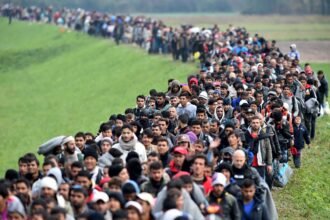
Europe is not facing new waves of migration; Berlin denies that the Iran war has affected immigration
Europe: Details on border management and control