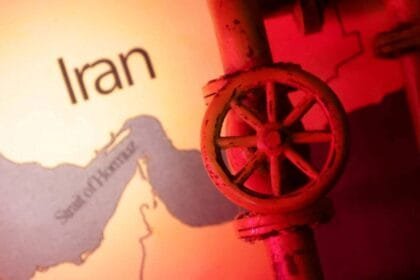
Tehran, Iran – The Strait of Hormuz remains one of the world’s most sensitive waterways, with roughly one-fifth of the world’s energy supply passing through it. This makes it a key pivot in the equation of regional and international security. Amid recurring tensions in the region, Iranian naval mines are once again emerging as a strategic tool capable of inflicting significant impact at a relatively low cost.
Traditional weapon with modern tactics
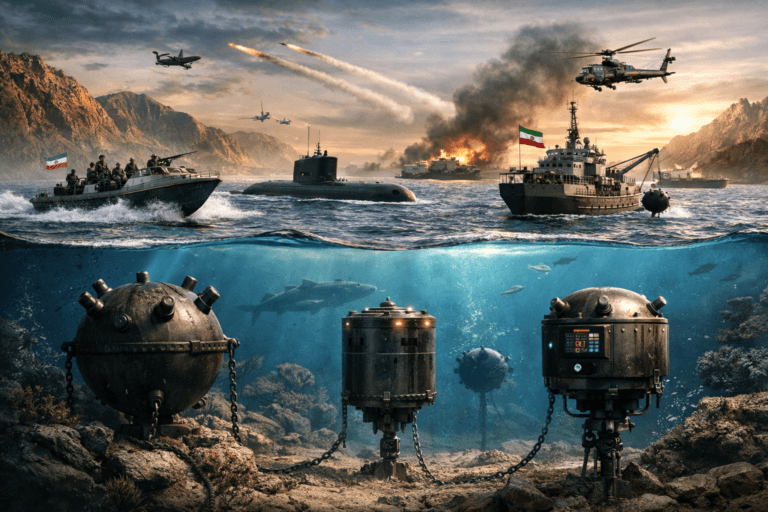
Iran relies on naval mines as part of its asymmetric warfare strategy. This relatively simple weapon can disrupt maritime traffic and present a complex battlefield reality for advanced naval forces. The mines used range from contact mines that detonate on impact to those that rely on the magnetic or acoustic signature of ships. Furthermore, more sophisticated models exist that are capable of distinguishing between targets.
Multiple capabilities and flexible deployment methods
Military estimates indicate that Iran possesses a large stockpile of sea mines, which can be deployed via various means, including fast boats, armored vessels, and mini-submarines. They can also be deployed from some modified civilian ships. The danger of these capabilities lies in their flexibility and rapid deployment, particularly in a narrow and complex geographical environment like the Strait of Hormuz.
A partial lockdown is enough to cause a crisis
Disrupting navigation in the strait does not require laying massive numbers of mines; a limited and carefully planned deployment is sufficient to force ships to change course or stop. This occurs despite the high risks and high insurance costs. Furthermore, the mere threat of using mines can cause disruptions in global markets, particularly in the energy sector. Therefore, this tool carries psychological and economic weight that extends far beyond its direct military impact.
Challenges facing naval forces
Mine clearance operations are among the most complex and slowest military operations, requiring specialized equipment and considerable time. While this may grant the party employing this tactic a temporary tactical advantage, relying on it could also provoke a broader military response. Therefore, it falls under the category of high-risk leverage.