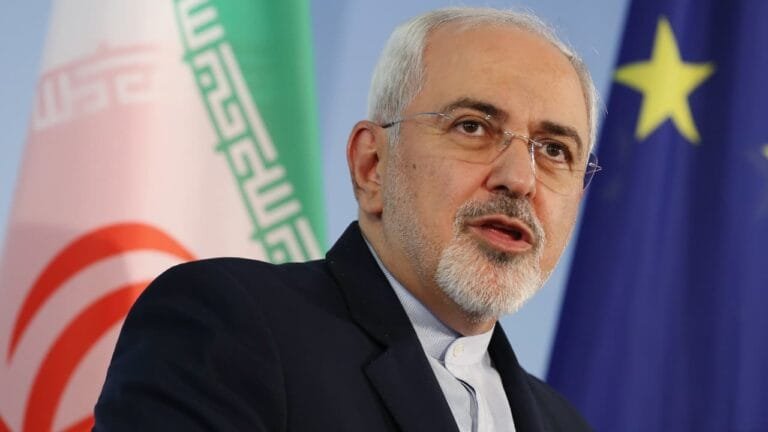
Tehran, Iran – Former Iranian Foreign Minister Mohammad Javad Zarif has entered the heated diplomatic fray following the collapse of the Islamabad talks. He sharply criticized the “dictatorial” approach adopted by the US administration in dealing with the Iranian nuclear issue.
Zarif to Vance: Negotiations based on “your terms” will not succeed
In a tweet on the X platform, Zarif directly responded to remarks by US Vice President J.D. Vance, who attributed the failure of the talks to “the Iranians’ choice not to accept the American conditions.” Zarif commented, “That’s right. Do you want to know why the negotiations failed? No negotiations—at least not with Iran—will succeed based on the ‘our conditions/your conditions’ approach.” He added, in a warning tone, “The United States needs to learn that you cannot impose your conditions on Iran, and it’s not too late to learn.”
Vance: We left with the “final show” for Iran
The US Vice President announced early Sunday morning that the marathon negotiations in the Pakistani capital, which lasted 21 hours, had ended without an agreement. Vance confirmed that the American delegation left the negotiating table with a “very clear proposal” representing “Washington’s final offer.” He indicated that the core issue hindering a solution was Tehran’s refusal to make a “fundamental, long-term commitment” to permanently abandon its nuclear weapons ambitions. He argued that this outcome would be “worse for the Iranians” than for the Americans.
Dismantling facilities in exchange for “sustainability guarantees”
Despite acknowledging that Iran’s infrastructure and enrichment facilities had been dismantled, Vance stressed that there was a lack of trust in Tehran’s future intentions. Iranian sources, for their part, described the American conditions as “excessive,” going beyond technical understandings to an attempt at political control. This verbal clash between Zarif and Vance reflects the widening gap between the two sides. While Washington sees its offer as the only way to avoid escalation, Tehran considers the “logic of conditions” the real obstacle to any lasting stability. Thus, this situation places the region in a new phase of cautious anticipation.