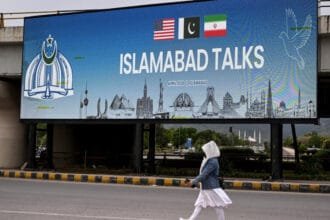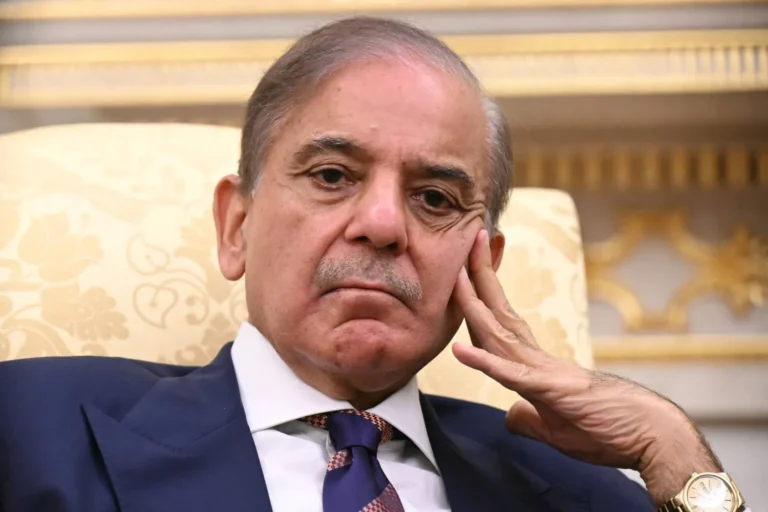
Islamabad, Pakistan – Pakistani Prime Minister Shehbaz Sharif described the ongoing talks in his country’s capital between the United States and Iran as having reached a historic and dangerous turning point. He indicated that they teetered between a “determination” to achieve peace or a complete “collapse” of the diplomatic process.
This came after he received the high-level Iranian delegation headed by Parliament Speaker Mohammad Bagher Ghalibaf. The meeting took place just before the start of direct talks with the American side.
Crucial meetings and complex conditions
The Iranian state broadcaster confirmed the meeting between Sharif and Qalibaf, indicating that the outlines and arrangements for future relations between Tehran and Washington would be finalized at the conclusion of these discussions. Furthermore, the negotiations are overshadowed by Iranian preconditions, described by Washington as difficult, including:
Stop Israeli operations against Hezbollah in Lebanon.
A complete and total lifting of all economic sanctions imposed on Tehran.
Immediate release of frozen Iranian assets abroad.
For their part, Pakistani officials are making intensive efforts to persuade the Iranian delegation to adopt greater flexibility and drop some preconditions to ensure the talks do not collapse. This is especially crucial given that Pakistan has invested considerable diplomatic effort in paving the way for this historic meeting.
The delegation of 71 and the powers of the “final decision”
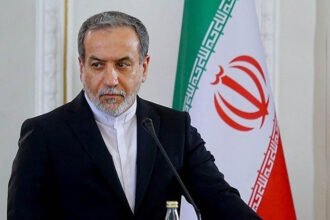
Tehran dispatched a large delegation of 71 officials, a move reflecting both the regime’s seriousness and its cautious approach. The delegation is led by Mohammad Bagher Ghalibaf and Foreign Minister Abbas Araqchi. They have also been granted exceptional powers, allowing them to finalize an agreement or withdraw from the negotiations immediately without needing to consult Tehran.
The delegation includes prominent figures with expertise in politics, security, and economics, most notably Ali Akbar Ahmadian and Ali Bagheri Kani (National Security Council). Also participating are Abdolnasser Hemmati (Governor of the Central Bank) to manage sanctions and assets, Majid Takht-Ravanchi and Kazem Gharibabadi (experts in international diplomacy), and Esmail Baghaei (Foreign Ministry Spokesperson).
Between Pakistan’s aspirations for peace, Iranian intransigence, and American anticipation, Islamabad remains the world’s most volatile stage. Major capitals are watching to see whether the “delegation of seventy” will return with an agreement ending decades of hostility, or whether the diplomatic “opportunity of the century” will officially collapse.