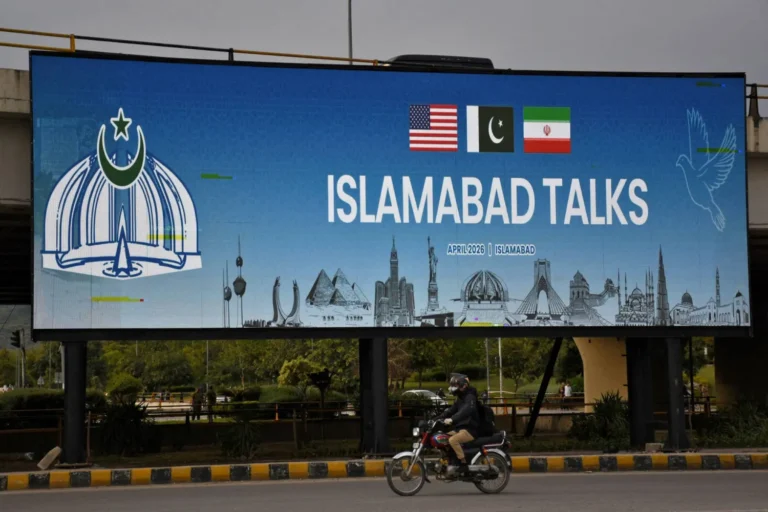
Islamabad, Pakistan – Reuters, citing informed diplomatic sources, reported that US officials are deeply pessimistic about the outcome of the ongoing talks with Iran in the Pakistani capital, Islamabad. Negotiators from Washington believe that the profound and fundamental divisions between the two sides will make it difficult to achieve any rapid or tangible progress on the outstanding issues. This, in turn, puts hopes for a diplomatic solution at risk.
A wall of mistrust and conflicting demands
The main points of contention revolve around complex strategic and security issues. Sources indicate that Washington seriously doubts the possibility of quickly reopening the Strait of Hormuz and guaranteeing freedom of navigation through it. Tehran, on the other hand, insists on a set of demands that includes the complete lifting of economic sanctions and the release of all frozen Iranian assets abroad. Iran has also stipulated that any ceasefire agreement must be expanded to include Lebanon. The American side considers this condition a further complication of the situation.
The clash of plans: 10 points versus 15
What further complicated the negotiations was the significant gap between the proposed drafts. Iran advocated a 10-point plan of action, while the United States insisted on an alternative 15-point plan. This fundamental difference in the structure and priorities of the solution reflects the deep mutual distrust. US officials warned that even if the talks formally commenced, the risk of renewed tensions on the ground remained high, given the fragility of the initial understandings.
Iranian warnings against “strategic mistakes”
On the ground, state media and officials in the Islamic Republic have escalated their warnings against a resumption of fighting. In this context, Feda Hossein Maleki, a member of the National Security and Foreign Policy Committee in the Iranian parliament, stated that any “strategic mistake” made by the other side in the negotiations would be met with a decisive response from the armed forces. The armed forces have declared a state of maximum readiness.
Escalation in Lebanon undermines conditions for de-escalation
These developments coincide with a military escalation on the ground. Israel targeted southern Lebanon on Saturday morning, April 12. A halt to attacks on Hezbollah—the Iranian-backed Lebanese force engaged in direct confrontations with Israel—is a key Iranian condition for any de-escalation. With Israeli military operations continuing and the international community failing to meet this condition, Islamabad’s negotiations appear to have reached an impasse. Consequently, this impasse could plunge the region back into full-blown escalation, amid cautious international anticipation of what the coming hours will bring, both in the corridors of power and on the battlefields.