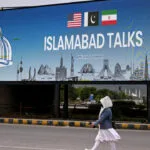
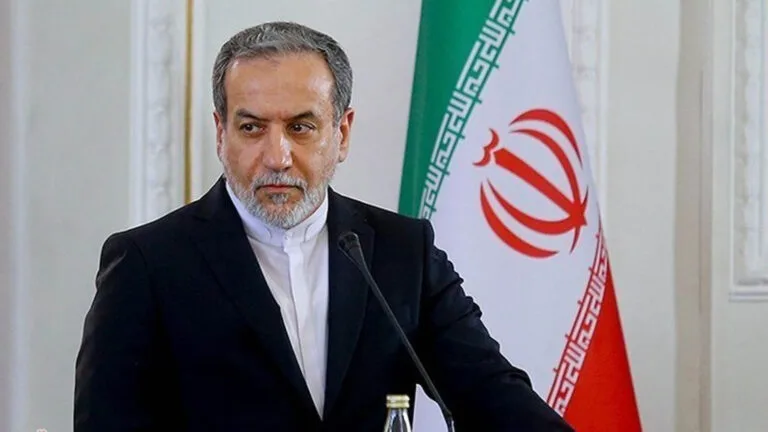
Islamabad, Pakistan – At the start of a historic round of direct talks with the United States in the Pakistani capital, Iranian Foreign Minister Abbas Araqchi declared that the Islamic Republic entered these negotiations with “complete distrust” of the American side. This came in the context of intensive diplomatic consultations conducted by Araqchi, including a telephone call with his German counterpart, Johann Wadephul, prior to the official session scheduled for Saturday evening.
Betrayal of diplomacy and Iranian demands
The Iranian state news website quoted Araqchi as saying that Tehran’s skeptical stance stems from what he described as America’s “repeated betrayal and treachery in diplomatic efforts” in past experiences, implicitly referring to the US withdrawal from the 2018 nuclear agreement. Araqchi stressed that the success of any negotiation process in Islamabad hinges on Washington’s seriousness in correcting its past actions. On the regional front, the Iranian Foreign Minister called on the international community to take “urgent and immediate action” to halt Israeli military operations in Lebanon. He asserted that continued escalation threatens the stability of the entire region. For his part, the German Foreign Minister welcomed the ceasefire and emphasized the need for de-escalation to ensure the success of ongoing diplomatic efforts.
Washington’s pressure and Trump’s conditions
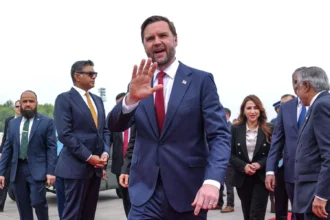
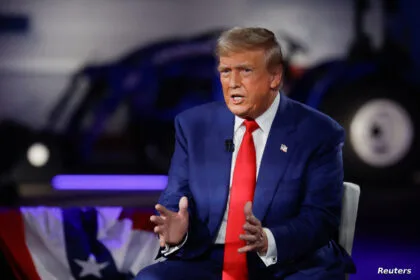
On the other side, US Vice President J.D. Vance arrived in Islamabad. In preemptive remarks, he asserted that the United States was entering these negotiations with “significant leverage,” alluding to the economic and military pressure Washington was exerting. For his part, US President Donald Trump commented on the Pakistani talks last night, describing them as “very important.” Trump set the bar for US expectations, stating that the “ideal deal” would be Iran’s complete abandonment of its nuclear ambitions. He added, with his characteristic caution, “We’ll see what happens.”
These exchanges reflect the widening gap between the two sides. While Iran seeks the lifting of sanctions and an end to the war in Lebanon, Washington insists on dismantling Iran’s nuclear capabilities as a prerequisite for any rapprochement. This places the Iranian delegation of seventy, headed by Mohammad Bagher Ghalibaf, before a difficult test in the closed-door negotiations that begin this evening.