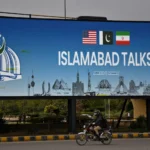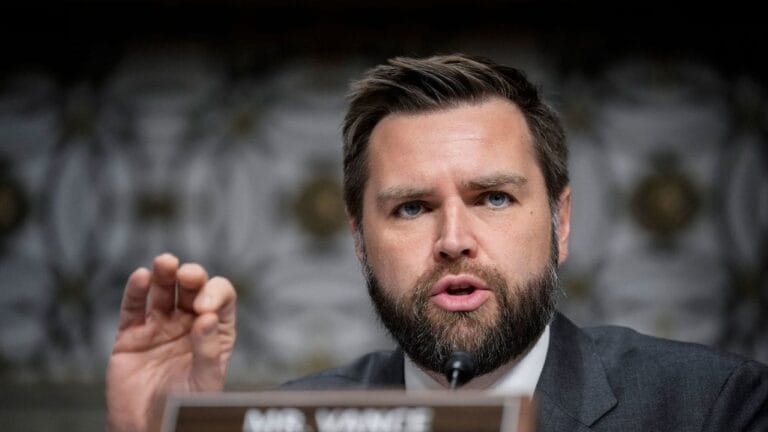
Islamabad, Pakistan – A high-ranking Pakistani source revealed intriguing diplomatic developments ahead of the anticipated round of negotiations between Washington and Tehran. The source confirmed that US Vice President J.D. Vance played a pivotal role in pushing the United States and Iran toward adopting a diplomatic solution to end the ongoing conflict. The source explained that Vance’s efforts were the “driving force” that led to the initiation of these talks. These talks are scheduled to begin in the capital, Islamabad, within the next few hours.
Vance is at the heart of the diplomatic movement.
The US Vice President has already arrived in Pakistan, a visit that reflects the weight of the task before him. A source familiar with the preparations told CNN that Vance’s presence in Islamabad is not merely a protocol visit, but rather part of a strategy to bridge the sharply divergent viewpoints between the two sides. The source indicated that initial assessments suggest reaching a comprehensive and satisfactory agreement may require several days of intensive discussions and arduous negotiations, due to the complexity of the issues on the table.
Pakistani hopes for extended mediation
Amid this complex landscape, the Pakistani official revealed that his government is placing great importance on the leadership role of the US Vice President. Officials in Islamabad also hope to persuade J.D. Vance to extend his stay in the country beyond initial plans. The Pakistani side believes that Vance’s continued direct presence at the negotiating venue would provide a strong guarantee for overcoming technical and political obstacles. This, in turn, could help achieve the desired historic agreement and avert the risk of military escalation in the region.
Challenges of the coming hours
These moves come at a time when the international community is awaiting the outcome of the “decisive hours” in Islamabad. Despite the optimism surrounding Vance’s role, the field and political challenges continue to cast a shadow. The situation is further complicated by Tehran’s demands regarding the lifting of sanctions and the cessation of military operations in the region. The question now is whether the mediation led by the US Vice President can forge a common ground that ends the current impasse. This mediation could potentially open a new chapter of de-escalation under Pakistani auspices.