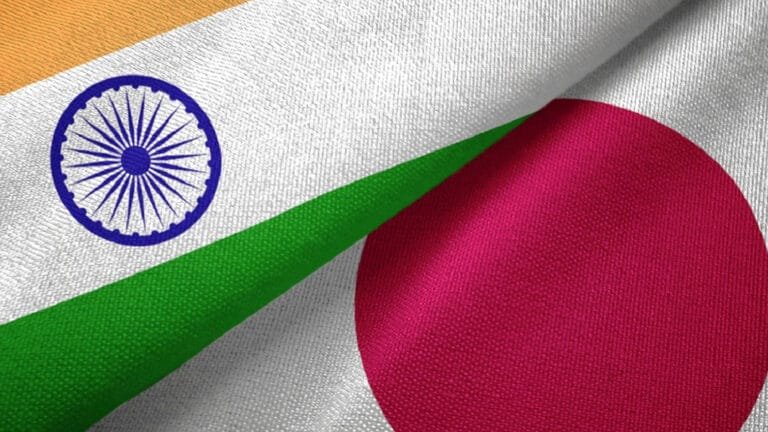
Tokyo, Japan – Amid escalating tensions and geopolitical turmoil in West Asia, particularly threats to freedom of navigation in the Strait of Hormuz, Indian External Affairs Minister S. Jaishankar and his Japanese counterpart Toshimitsu Motegi held a high-level telephone conversation lasting approximately 20 minutes. The discussions focused primarily on ways to de-escalate the situation and ensure the continued flow of global energy resources.
A shared commitment to de-escalation
The Japanese Foreign Ministry confirmed in an official statement that the two ministers emphasized their commitment to close cooperation to “de-escalate the situation and ensure stable energy supplies.”
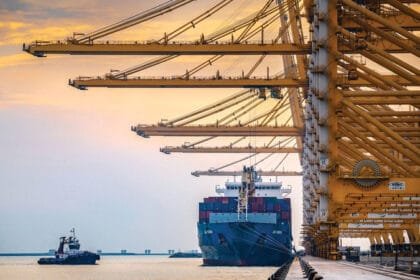
These diplomatic moves come at a sensitive time, as international shipping in the Strait of Hormuz faces serious challenges. This situation threatens global supply chains and the macroeconomy of both countries, which rely heavily on energy imports from this vital region.
In a post on the X platform, Minister Jaishankar expressed his deep appreciation to his Japanese counterpart, noting that he received a sincere message of condolence during the call regarding the Indian citizens who lost their lives in the ongoing conflict. Jaishankar stated, “We discussed developments in West Asia, including the security of international shipping through the Strait of Hormuz. I deeply appreciate Minister Motegi’s condolences for the Indian casualties.”
International coordination and a unified vision
For his part, Minister Motegi noted that Tokyo welcomes the recent announcements from the United States and Iran, considering them a “positive development” toward the desired breakthrough.
He emphasized that the top priority is achieving a steady de-escalation that guarantees the safety of waterways. He expressed hope that the negotiations between Washington and Tehran would lead to a final and comprehensive agreement in the near future.
Energy resilience and multilateral cooperation
Both sides agreed on the need to strengthen multilateral cooperation to enhance energy resilience and secure resource supplies. Minister Jaishankar stated that New Delhi would continue to coordinate with Tokyo and the international community to ensure maritime security. He also emphasized that joint action is the only way to address regional crises.
This call reinforces bilateral understandings between the two Asian powers, with experts viewing Indian-Japanese coordination as a cornerstone for maintaining balance in the Indo-Pacific region, particularly given the intertwined economic and security interests in global maritime trade routes.
The statement concluded by affirming the continuation of close communication between the two ministries to monitor developments on both the military and political fronts.