Ankara, Turkey – In a high-level diplomatic move to calm the volatile situation in the region, Turkish Foreign Minister Hakan Fidan revealed that the Pakistani capital, Islamabad, may host a four-way ministerial meeting this weekend, bringing together the foreign ministers of Egypt, Pakistan, Saudi Arabia, and Turkey, to discuss the repercussions of the ongoing war in the Middle East and ways to stop the military escalation.
Changing the venue and the implications of the four-way coordination
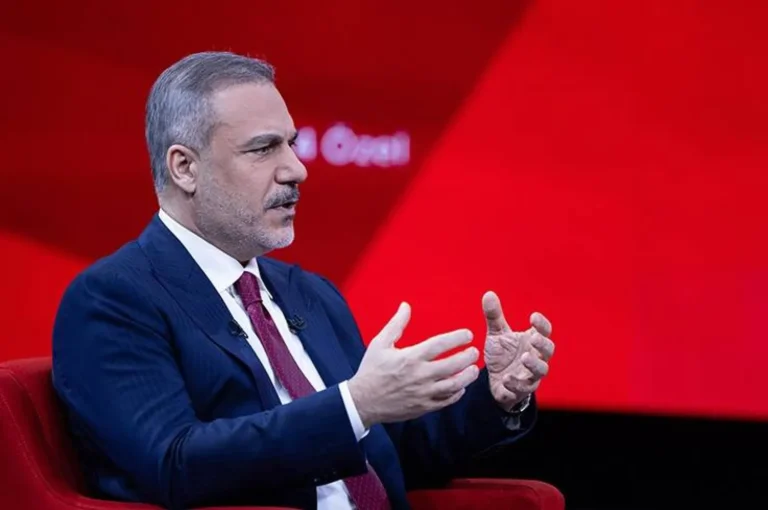
In an interview with the Turkish private television channel A Haber, Foreign Minister Fidan explained that the initial plan was to hold the meeting in Turkey. However, the need for the Pakistani counterparts to remain in their country necessitated moving the talks to Pakistan. Fidan emphasized that the upcoming meeting aims to coordinate positions among the major regional powers (Cairo, Riyadh, Ankara, and Islamabad). Furthermore, the meeting seeks to reach a shared vision that will end the military polarization and ensure regional stability.
Pakistani mediation and secret US-Iranian talks
In parallel with this four-way activity, German Foreign Minister Johannes Wadephul made a political surprise by indicating that the United States and Iran were preparing to hold direct talks on Pakistani soil.
Although Tehran continues to officially deny the existence of direct negotiations with the American side, the Iranian news agency Tasnim, citing an informed source, confirmed that the Iranian side had “officially” submitted a response, through a Pakistani mediator, to a 15-point American plan.
A difficult diplomatic process
Observers believe that choosing Pakistan as the venue for these talks strengthens its role as a trusted mediator between Washington and Tehran on one hand, and between major Islamic powers on the other.
These moves come amid immense international pressure to prevent the confrontation from escalating into a full-blown regional war. The four-way summit (Egypt, Saudi Arabia, Turkey, and Pakistan) seeks to formulate a political solution initiative that aligns with the US “15-point plan.” This step aims to bridge the gap between Iranian conditions and international demands related to regional security and the nuclear program.