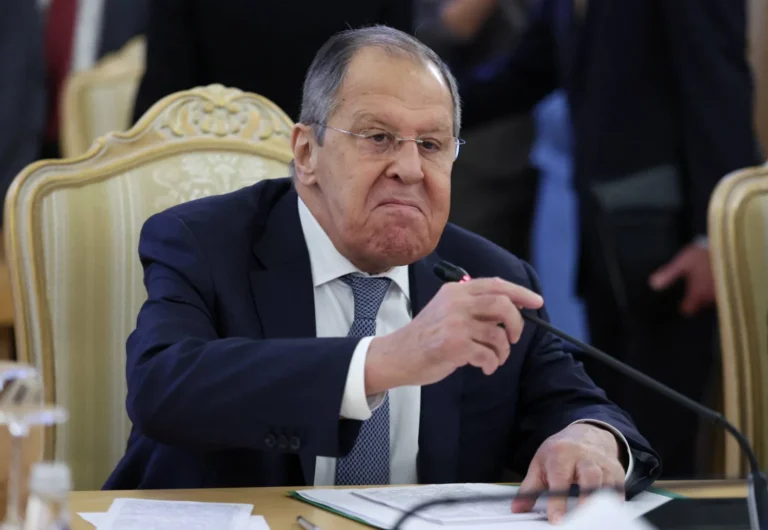
Moscow, Russia – In a new escalation of the diplomatic row between East and West, Russian Foreign Minister Sergey Lavrov categorically denied accusations that his country was providing intelligence support to Iran to target American interests in the region. Lavrov emphasized that cooperation between Moscow and Tehran is limited to established legal and military-technical frameworks.
Military cooperation within the framework of the agreements
During an interview with French television on Thursday evening, Lavrov explained that Russian-Iranian relations are based on a clear and transparent military-technical cooperation agreement.
The minister acknowledged that Moscow has already supplied Tehran with “certain types of military products” in accordance with these agreements. He emphasized that this type of exchange falls within the framework of bilateral relations between sovereign states and does not violate international law.
A decisive response to the French accusations
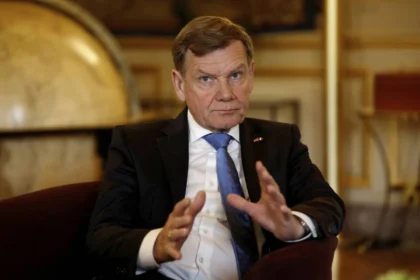
Lavrov’s remarks came as a direct response to comments made earlier by French Foreign Minister Jean-Noël Barre, who stated that “everything points to the belief” that Russia is playing a pivotal role in bolstering Iranian military efforts against American targets. Lavrov categorically rejected these allegations, saying, “We do not accept the accusations that we are assisting Iran with intelligence. The attempt to portray Russia as the driving force behind attacks against American forces lacks factual evidence and falls squarely within the realm of political propaganda.”
Coordinates of US bases “General Information”
In a pointed remark, Lavrov ridiculed the notion that Iran needed Russia to pinpoint the locations of US forces.
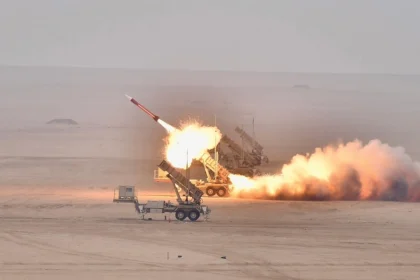
He noted that “everyone knows” the coordinates of US military bases scattered throughout the region. He argued that this data falls within the realm of “public information” that doesn’t require sophisticated intelligence to obtain. In doing so, Lavrov downplayed Western claims about Russian espionage activities. These developments come at a time of escalating tensions in the region, while Western capitals view the strategic rapprochement between Moscow and Tehran with growing concern. This is particularly relevant given the ongoing geopolitical crises and the overlapping interests of major powers in the Middle East.