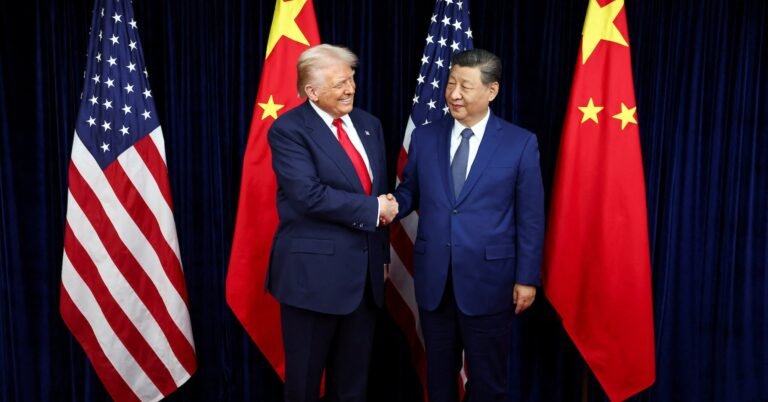
Washington, DC – In a diplomatic move described as historic, US President Donald Trump announced his intention to visit Beijing, China, on May 14 and 15. He will hold a bilateral summit with Chinese President Xi Jinping. The visit, Trump’s first to China in eight years, comes after a series of postponements imposed by the rapidly escalating military developments in the Middle East and the ongoing conflict with Iran.
Trump’s China visit schedule
On his Truth Social account, Trump confirmed the rescheduling of the trip, which had been planned for next week. He indicated that he would host President Xi in Washington later this year.
Trump said, “Our representatives are finalizing arrangements for these historic visits. I look forward very much to spending time with President Xi at an event that will undoubtedly be a landmark.”
Iran war and tariffs
The move reflects the White House’s desire to manage tensions with its biggest economic competitor. This comes as it grapples with a complex conflict in the Middle East, including the ongoing Iran war and its impact on oil markets. Events on the ground have repeatedly overshadowed Washington’s efforts to reset relations in the Asia-Pacific region. Last February, the US Supreme Court curtailed the president’s authority to impose tariffs, weakening his trade leverage.
This was followed by the joint military operation with Israel against Iran, creating a new point of contention with Beijing, a major importer of Iranian oil. The two-day trip is expected to combine lavish receptions with thorny issues.
While “good faith” agreements on agricultural products and aircraft parts are likely, issues like Taiwan remain a major obstacle, especially after Trump ramped up arms sales to the island during his second term.
oil crisis
On the energy front, Trump is seeking support from Beijing, the world’s largest oil consumer at 12 million barrels per day. This aims to ensure the security of waterways and counter Iranian threats to close the Strait of Hormuz.
Responding to questions about when military operations might end before the visit, White House spokeswoman Carolyn Leavitt stated that estimates suggest a period of four to six weeks. She confirmed that President Xi understood the need for Trump to be in Washington to oversee the current military operations. While the Chinese embassy remained silent on the details, the world awaits the outcome of this summit. The summit could reshape the global order amidst unprecedented geopolitical and economic turmoil.