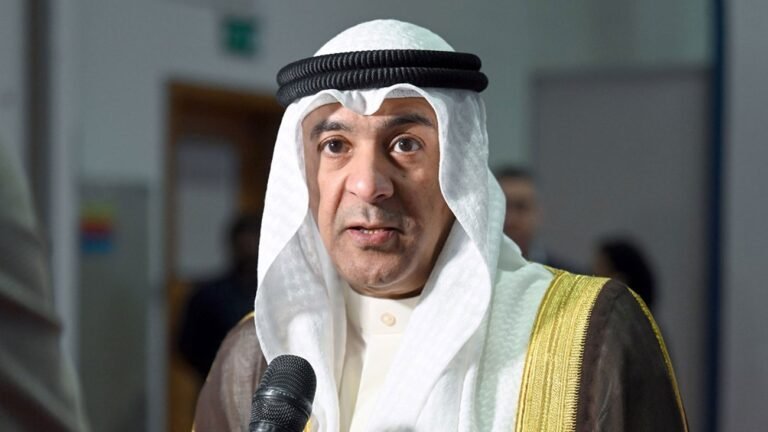
Riyadh, Saudi Arabia – His Excellency Jassim Mohammed Al-Budaiwi, Secretary General of the Gulf Cooperation Council (GCC), welcomed the unanimous adoption by the Human Rights Council in Geneva of a draft resolution on “the consequences of Iran’s recent military aggression.”
The resolution, submitted by the Kingdom of Bahrain (Chair of the GCC Group) and the Hashemite Kingdom of Jordan, received exceptional support from more than 100 countries, a move that reflects Tehran’s human rights and diplomatic isolation.
UN condemnation of the blatant attacks
Al-Badawi affirmed that the adoption of the resolution during the emergency session of the 61st session of the Council on Wednesday, March 25, represents a firm international stance rejecting Iran’s blatant attacks on countries not party to any conflict.
He noted that the international community clearly condemned the repercussions of this aggression on international peace and security, and the grave violations of international human rights law. The Secretary-General commended the resolution’s content, particularly its strong condemnation of the deliberate attacks targeting civilians and vital infrastructure in the GCC countries and Jordan, which resulted in casualties and significant damage.
He also highlighted the resolution’s warning of the serious repercussions of these “illegal” attacks on maritime security, global trade routes, environmental protection, and sustainable development.
A call for accountability and compensation
Al-Badawi also welcomed the resolution’s emphasis on Iran’s obligation to comply with its international commitments and respect the sovereignty and territorial integrity of states.
He explained that the resolution demands Tehran immediately cease its violations and provide compensation for all resulting damages, while engaging in dialogue and peaceful means to resolve disputes instead of resorting to force. He stressed that the broad international support demonstrates to the world that Iran’s attacks lack any legal or factual basis, and affirmed that the next phase requires diligent follow-up from the international community to ensure Iran is held accountable and that such violations are not repeated.
A firm Gulf approach towards peace
In closing, Al-Budaiwi reaffirmed the GCC states’ unwavering commitment to international law and human rights, and to promoting dialogue to achieve regional stability.
He also commended the significant diplomatic efforts undertaken by the Gulf Cooperation Council, led by the Kingdom of Bahrain and in coordination with Jordan, to garner this global support and secure this historic resolution, which clearly articulates the stance against Iranian threats.