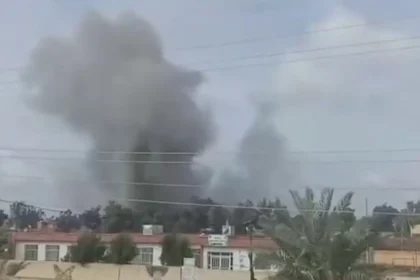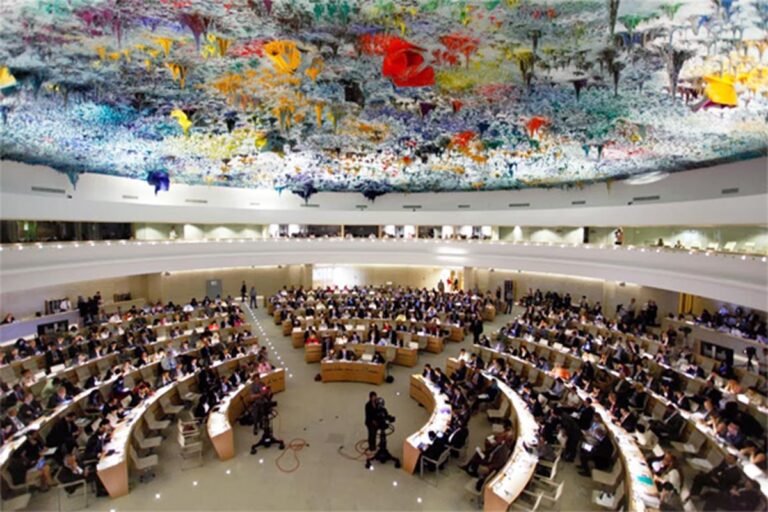
Geneva, Switzerland – The UN Human Rights Council in Geneva held an emergency session on Wednesday to discuss the serious repercussions of Iran’s ongoing attacks targeting Gulf Cooperation Council (GCC) countries and the Hashemite Kingdom of Jordan. The session concluded with a strong UN condemnation of the Iranian attacks and calls for compensation for the resulting damages.
UAE: 200 missiles intercepted, call for a firm stance
During the session, the UAE’s Permanent Representative, Jamal Al-Musharakh, revealed the extent of the escalation on the ground. He announced that his country had intercepted more than 200 ballistic missiles since the attacks began.
Al-Musharakh emphasized that these “treacherous” attacks constitute a flagrant violation of human rights and the UN Charter. He called on the international community to take a firm stance to deter such behavior. He also stressed the UAE’s commitment to tolerance and good neighborliness.
Gulf and Arab consensus on condemning the “aggression”
The session witnessed a succession of Arab delegates taking the podium, all speaking in a firm tone. Saudi Arabia’s delegate, Abdul Mohsen bin Khathila, condemned the “brutal” attacks, asserting that hesitation in confronting Iran was no longer acceptable. He further clarified that Tehran could not evade its international responsibilities. Kuwait’s delegate described the attacks as a “humanitarian catastrophe” that undermines peace. Bahrain called for an immediate cessation of the violations and adherence to the principles of international law. Doha, through its delegate Alia Al Thani, condemned the “indiscriminate” attacks targeting civilians, despite its policy of neutrality. Oman emphasized that targeting infrastructure constitutes a flagrant violation of human rights. Cairo warned against threatening the resources of nations. Oman considered the attacks on its territory an unjustified assault on its sovereignty and demanded an immediate de-escalation of the situation.
Iran justifies its actions as “self-defense”.
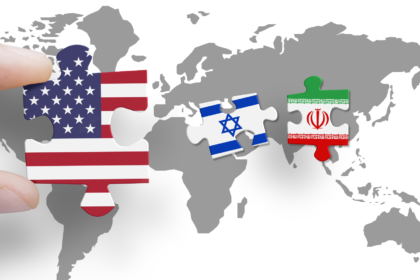
In contrast, the Iranian representative defended his country’s position, claiming that Tehran was acting in “self-defense” against the United States and Israel.
The Iranian representative alleged that the American and Israeli attacks targeted civilians and resulted in approximately 1,500 deaths, attempting to justify Iran’s cross-border military operations. This session reflects the extent of Iran’s diplomatic isolation in international human rights forums. This is particularly evident in the broad Arab coalition that successfully secured a UN resolution demanding reparations. As the exchange of fire continues, all eyes remain on the international community’s ability to translate these condemnations into concrete pressure to halt the war machine and protect the rights of civilians in the region.