Riyadh, Saudi Arabia – In a significant diplomatic shift that is reshaping regional alliances, Saudi Arabia has taken the decisive step of freezing a massive $1.5 billion arms deal destined for the Sudanese army. This surprising Saudi decision came in the wake of intelligence and diplomatic reports revealing a “dangerous” rapprochement between leaders of the Islamist movement (Muslim Brotherhood) in Sudan and the Iranian regime. The reports also included direct incitement against the security of the Gulf Arab states.
The loss of the “Pakistani arsenal” and the failure of the gamble
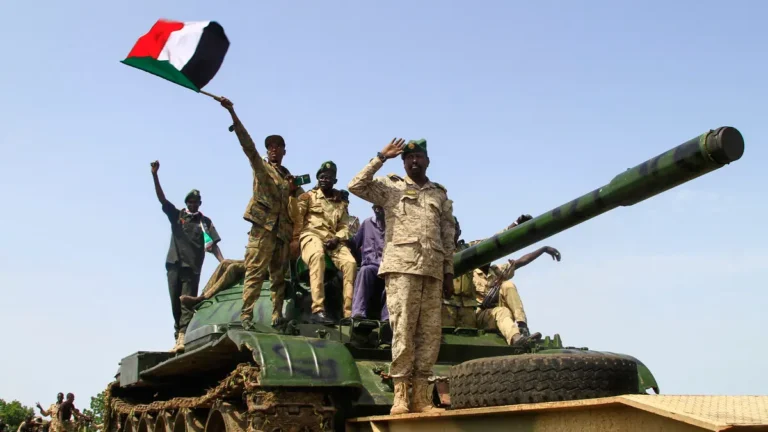
High-ranking diplomatic sources revealed to Africa Intelligence that the deal, which reached its final stages in early 2026, included supplying Burhan’s army with 10 K-8 light attack aircraft. The deal also encompassed more than 200 reconnaissance and suicide drones, as well as air defense systems and JF-17 fighter jets. Although Riyadh was the primary financier and facilitator of this deal through its relations with Islamabad, the growing climate of distrust towards the Port Sudan leadership led the Kingdom to completely suspend the contract.
A strongly worded warning: “Loyalty to Tehran is treason.”
The decision to freeze the agreement was not technical, but purely political. Riyadh had detected what it described as “suicidal” movements within the army. These movements manifested in the Sudanese Muslim Brotherhood’s explicit declaration of support for Iran in its current conflict with the Gulf. Sources confirmed that Riyadh issued a strongly worded warning to the Sovereignty Council, headed by Abdel Fattah al-Burhan. The Kingdom considered the defection of armed leaders and brigades affiliated with the Brotherhood (such as the al-Bara’ bin Malik Brigade) to Tehran as a “betrayal” of Arab national security and a direct threat to Gulf interests.
The “Kijab” video… the straw that broke the camel’s back
A widely circulated video of Sudanese army brigadier general Tariq al-Hadi Kijab has sparked outrage in Riyadh. The officer, a figure associated with the Bashir regime, is seen openly inciting Iran to attack infrastructure in the Gulf states, specifically targeting desalination and power plants. Kijab’s hostile incitement has further eroded the international legitimacy of the Port Sudan leadership. It also demonstrates Burhan’s inability to control the Muslim Brotherhood’s infiltration of his military establishment.
The new position: No weapons without a “civilian government”.
Riyadh now views the continued “unholy alliance” between Port Sudan and Tehran as rendering any military support for the army indirectly supportive of the Iranian project. Therefore, Saudi policy has shifted from “military empowerment” to a firm demand for the formation of a civilian government and the purging of the army of ideological elements. This decision places Burhan’s leadership in an existential predicament. It is now losing strategic cover and a qualitative weapon that could have decisively won the battle on the ground. It finds itself trapped between the jaws of “subservience to the Muslim Brotherhood” and “international isolation.”