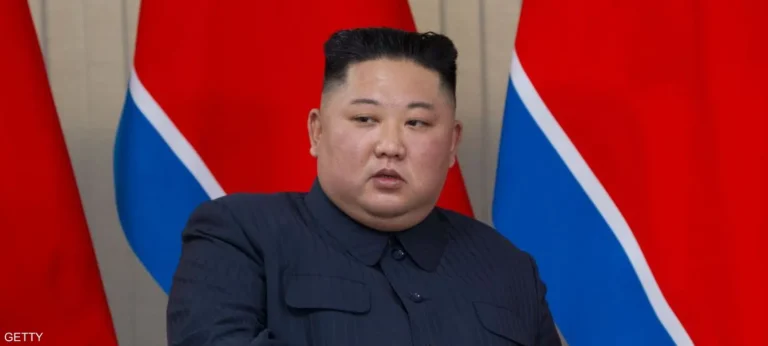
Pyongyang, North Korea – In a clear political message with implications beyond mere rhetoric, North Korean leader Kim Jong Un affirmed that his country will “always” stand by Moscow. This stance reflects a rapidly deepening alliance between the two nations amidst escalating international tensions.
Kim’s remarks came in the context of reaffirming full support for Russia in the face of Western pressure. He also emphasized that relations between Pyongyang and Moscow are based on “mutual trust and shared interests,” signaling a new phase of strategic rapprochement.
Observers believe this position is not simply political support, but rather reflects a shift in the nature of relations between the two countries. These relations have witnessed significant development recently on both the military and economic fronts, particularly given the isolation both sides face from the West.
Reports indicate that cooperation between the two sides may extend to sensitive areas, including the exchange of military expertise and technology. This is causing increasing concern among the United States and its allies, who view this rapprochement as a threat to the balance of power in the region.
Kim’s statements also carry indirect messages, suggesting that Pyongyang is prepared to play a more active role on the international stage. It also seeks to engage in alliances that bolster its political standing and break its imposed isolation.
Conversely, Moscow views North Korea as a reliable partner under the current circumstances, especially given the escalating conflict with the West. This also strengthens the prospects for building a new axis based on shared interests and confronting international pressure.
The overall picture reveals a reshaping of the global alliances map. Parties previously considered on the margins of the international system may find themselves becoming part of a more complex equation. The defining characteristic of this phase is: “Alliances of necessity in times of crisis.”