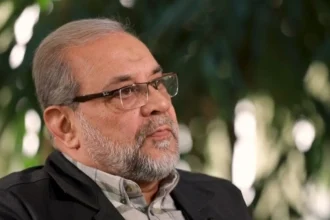
Tehran, Iran – In an appeal that sparked widespread controversy in Iranian political circles, Mawlawi Abdul Hamid, the prominent Sunni Friday prayer leader in Zahedan, in the southeastern province of Sistan and Baluchestan, called on the leadership in Tehran to make a courageous decision to end the current war. He also invoked the historical moment that ended the Iran-Iraq War decades ago.
Recalling history: “The poison chalice” and the pragmatic decision
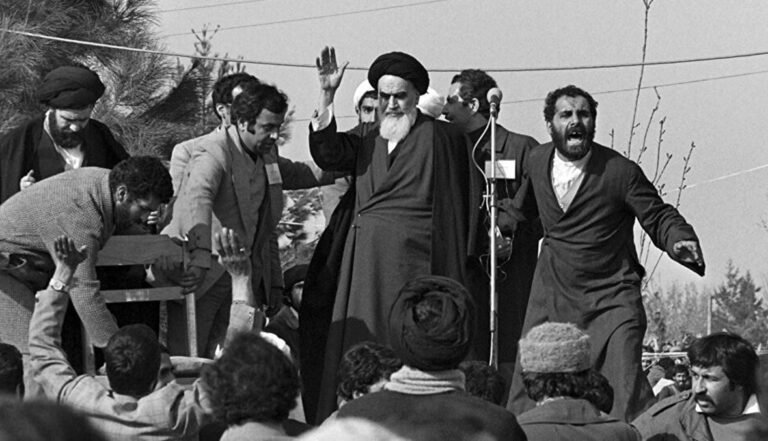
On the X platform, Abdul Hamid wrote a candid message in which he indicated that at the end of the eight-year war, in order to preserve the country’s territorial integrity, the United Nations accepted Resolution 598. This resolution was described by the late Supreme Leader Ruhollah Khomeini at the time as “drinking from a poisoned chalice.” Abdul Hamid affirmed that this choice, despite its difficulty, was “realistic” and necessary. However, he argued that current circumstances necessitate a similar course of action to stem the bloodshed and end the war. The Imam of Zahedan warned that persisting in confrontation would deplete national resources and destroy infrastructure and the energy sector, which directly impacts people’s daily lives. He further emphasized, “If we had listened to the pulse of the people, we would not have reached this point of war.”
Clash of visions: Negotiations or “betrayal”?
In contrast, official responses revealed a deep division within the regime. Parliament Speaker Mohammad Bagher Ghalibaf denied any negotiations with the United States and urged Islamic countries not to allow the use of American and Israeli bases against Iran. Yaqub Rezazadeh, a member of the parliamentary National Security Committee, went even further, describing any call for negotiations at this stage as a “betrayal” of the blood of the leaders and martyrs. He emphasized that the decision of war and peace rests solely with the “Supreme Leader” and that no other entity has the right to comment on it.
The American initiative and Israeli intransigence
These internal tensions coincide with international reports indicating intensified external activity. Reuters quoted senior Israeli officials as saying that US President Donald Trump is “determined” to reach an agreement with the Islamic Republic to end hostilities in the Middle East. This comes after he halted attacks targeting Iran’s energy sector. However, the Israeli officials expressed doubt about Tehran’s willingness to respond to US demands. This is happening against the backdrop of escalating rhetoric adopted by the hardline faction in parliament and the Revolutionary Guard. Caught between calls for moderation from Abdul Hamid and the “confrontational” language promoted by Qalibaf and Reza Zadeh, Iran finds itself at a historic crossroads. It can either pursue a political settlement that reshapes its relationship with the world or continue to deplete its remaining resources under the weight of a war with no end in sight.