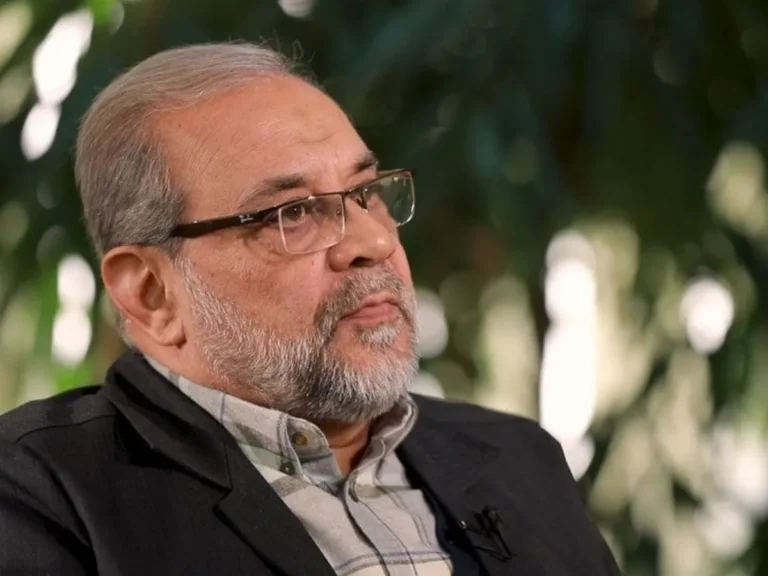
Voice of the Emirates – In a move reflecting a radical shift in the structure of Iran’s security apparatus, Tehran announced the appointment of veteran General Mohammad Baqer Zolghadr as Secretary of the Supreme National Security Council, succeeding Ali Larijani.
Zolghadr’s appointment was made by presidential decree from Masoud Pezeshkian. It also received the explicit and direct blessing of Supreme Leader Mojtaba Khamenei. This signals a new phase of “strategic militarization” of sensitive issues.
Decree bearing the seal of the “State”
The official statement issued by Mohammad Mehdi Tabatabaei, Deputy Head of the Presidential Office for Communications and Media Affairs, confirmed that the selection of Zolqadr was based on the opinion and approval of Supreme Leader Mojtaba Khamenei. Furthermore, the inclusion of the Supreme Leader’s name in Iranian protocol is a political gesture underscoring that the appointment falls within the “inner circle of trust.” The highest body responsible for formulating foreign and defense policies is now under the leadership of a figure combining ideological loyalty with field experience.
Biography of a General from the First Generation
Born in 1955 in Fars province, Zolghadr is an academic in economics and a revolutionary fighter who engaged in action against the imperial regime. He distinguished himself as a field commander during the Iran-Iraq War, leading irregular warfare operations. This gave him a deep understanding of guerrilla warfare and cross-border intelligence operations. He ultimately earned a doctorate in strategic management.
Political conflict and career mobility milestones
Zolqadr is known as one of the fiercest opponents of the reformist movement and was among the generals who threatened former President Mohammad Khatami with military intervention in 1999.
He also held high-ranking positions, including Chief of Staff of the Islamic Revolutionary Guard Corps (IRGC) for eight years. He also served as Deputy Commander-in-Chief of the IRGC for another eight years.
Additionally, he served as Deputy Interior Minister for Security under Ahmadinejad before being dismissed due to his differing assessment of the potential US attack. This demonstrated his independent decision-making.
Messages from inside and outside
The appointment of Zolqadr represents a strong “security guarantee” against internal protests, given his history of an iron fist. Externally, Tehran sends a firm message by placing a “military mind” at the helm of negotiations. Thanks to his family network (his son-in-law, the diplomat Gharibabadi), he will manage regional affairs with a unified vision that combines field operations with political pressure. Consequently, he will adopt “tactical flexibility” in negotiations while maintaining “field firmness” to safeguard Iran’s regional influence.