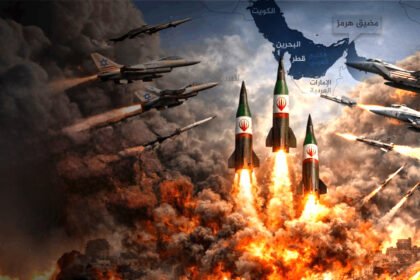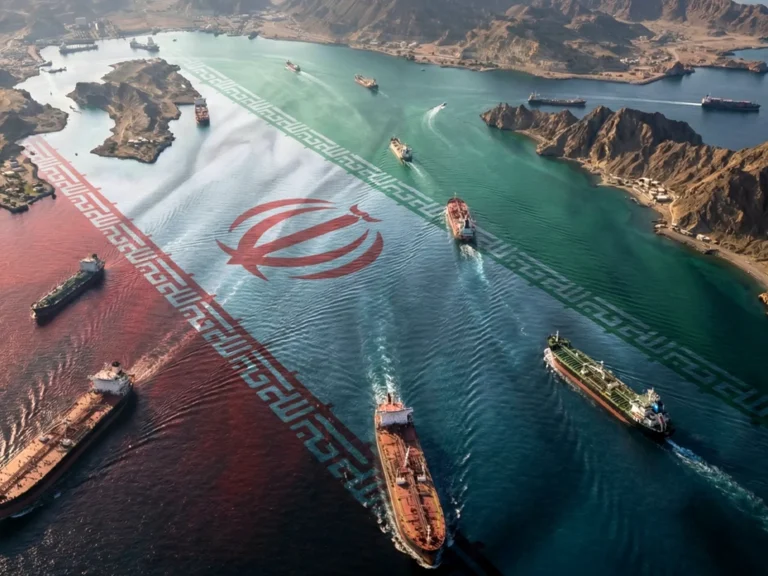
Tehran, Iran – Iran has long brandished the Strait of Hormuz as a key tool of pressure against its adversaries, threatening to close it or disrupt navigation should tensions escalate.
However, with recent developments, this tactic appears to be backfiring on Tehran itself.
It has thus begun to transform from a source of strength into a complex strategic liability.
The Strait… a vital artery for global oil
The Strait of Hormuz, a vital artery for global oil flows, serves not only the interests of the Gulf states but also a key outlet for Iranian oil exports,
making any escalation there a double-edged sword that could directly harm the Iranian economy.
With the growing threats, international powers have moved to bolster their military presence in the region, ostensibly to protect international navigation.
This has reduced Iran’s room for maneuver and placed it under intense scrutiny, both naval and intelligence-related.
Strong international reactions
Furthermore, any actual move to close the Strait could open the door
to harsh international reactions, potentially even direct military intervention.
Tehran is well aware of the cost of this scenario, especially given the economic pressures and sanctions imposed upon it.
Conversely, some oil-importing countries have begun exploring strategic
alternatives to reduce their dependence on the Strait of Hormuz.
This threatens to diminish its importance as a long-term bargaining chip and weakens its influence in regional power dynamics.
From “threat note” to “survival test”
Observers believe that Iran now faces a difficult dilemma: escalation gives it leverage in negotiations, but at the same time could hasten its downfall.
Meanwhile, de-escalation could be interpreted as a concession at a critical juncture.
Thus, the Strait of Hormuz has transformed from a “threatening card” into a “test of survival.”
The question is no longer: Will Tehran use it? But rather: Can it bear the consequences of using it?