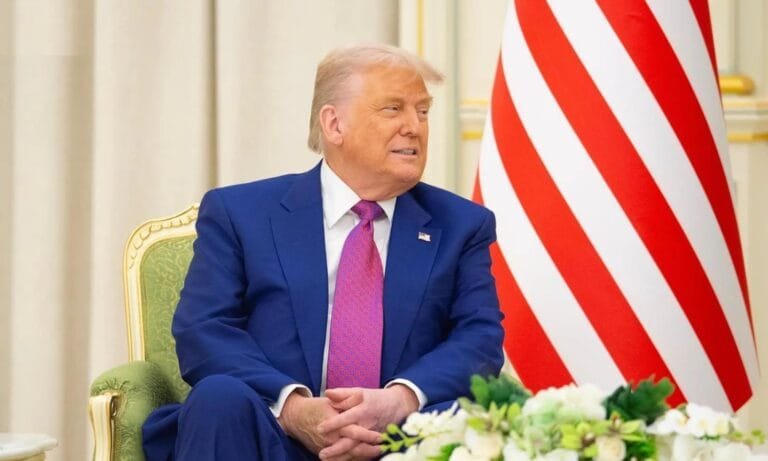
Washington, DC – US President Donald Trump issued an ultimatum to Iranian authorities via his Truth Social media platform, demanding the complete and unconditional reopening of the Strait of Hormuz. Trump gave a 48-hour deadline and threatened to target and destroy Iranian power plants, starting with the largest, if the vital waterway remains closed.
Map of potential targets
Trump’s threats place Iran’s lifeline at real risk; according to Reuters, the list of potential targets includes the Damavand power plant (2,868 megawatts), the strategic Kerman and Ramin power plants, and the Bushehr nuclear power plant. Targeting these facilities would completely paralyze electricity production, which powers Iranian cities and factories.
Navigation choke and the international coalition
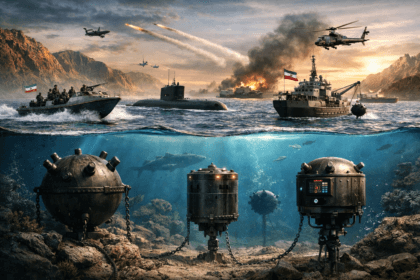
This threat comes at a time when the Strait of Hormuz is experiencing a virtual blockade to most shipping. This waterway is a vital artery through which a fifth of the world’s oil and liquefied natural gas passes. In response, more than 20 countries have announced the formation of a coalition to ensure safe passage. These countries have condemned Iran for “strangling” this strategic waterway.
Diplomatic exceptions under pressure of need
While the specter of war looms, a few diplomatic exceptions have emerged. India, facing a severe cooking gas shortage, secured passage for its tankers after talks between Prime Minister Narendra Modi and Iranian President Masoud Pezzikian. Iranian Foreign Minister Abbas Araqchi also indicated Tehran’s willingness to allow passage for ships linked to Japan, given Tokyo’s reliance on the Strait for 90% of its oil needs. As the deadline approaches, global markets and decision-making centers are awaiting Tehran’s response. There are also fears that the region could slide into a full-blown confrontation that would forever alter the international energy and security landscape.