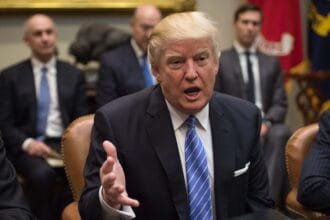
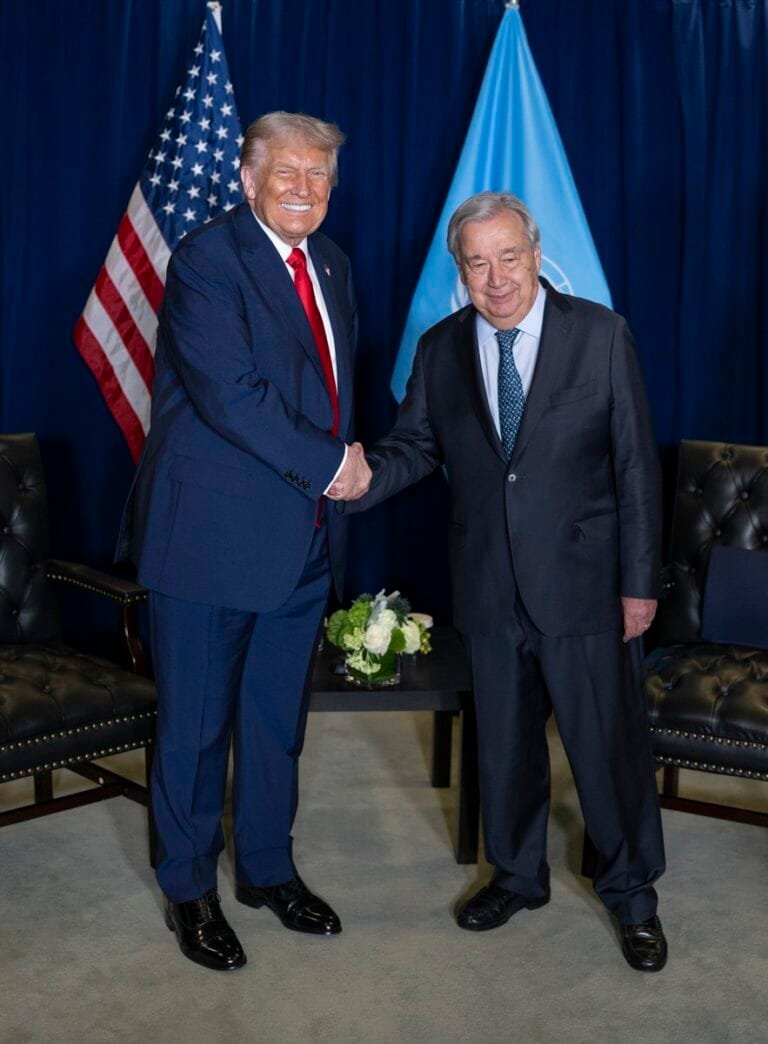
New York, USA – In a move that has sparked widespread controversy within political and diplomatic circles, UN Secretary-General António Guterres has initiated limited cooperation with a council described as being close to US President Donald Trump’s inner circle, despite what UN sources have termed “clear reservations.”
Reports indicate that this cooperation is part of an effort to open unconventional channels of communication to advance de-escalation efforts on a number of complex international issues, particularly in light of rising global tensions and the declining effectiveness of traditional diplomatic channels.
Internal reservations and political pressures
According to informed sources, this move did not go unchallenged within the halls of the United Nations, where some officials expressed concern about granting indirect legitimacy to entities linked to controversial political currents, particularly those close to Donald Trump.
In contrast, António Guterres’ team believes that openness to all parties—even controversial ones—may be a necessary step to contain escalating crises that are difficult to address through traditional channels alone.
Is it a gamble to de-escalate tensions or a political risk?
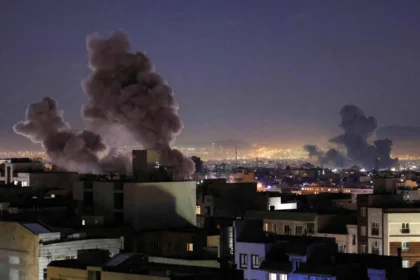
This cooperation comes at a sensitive time, marked by escalating regional conflicts, prompting some international circles to seek unconventional mediations, even if they carry political risks.
Observers believe the success of this step will depend on António Guterres’s ability to strike a delicate balance between diplomatic openness and maintaining the UN’s neutrality, without succumbing to narrow political calculations.
Between the necessities of politics and the complexities of reality, this “cautious” cooperation may pave the way for solutions… or it may unleash a new storm of criticism within the international community.