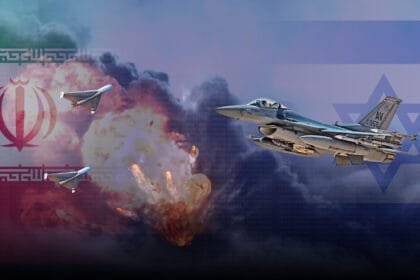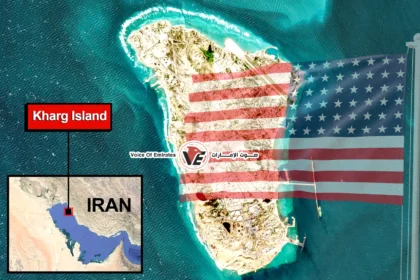
Brussels, Belgium – In a striking European stance reflecting the widening gap in perspectives with Washington, several European capitals announced their refusal to engage in any potential military escalation with Iran, particularly concerning securing navigation in the Strait of Hormuz. They emphasized that “this is not our war.”
European officials affirmed that the continent does not see itself as having an interest in entering into a direct confrontation with Tehran. At the same time, they stressed that the priority remains diplomatic solutions and de-escalation. This comes amid concerns about the repercussions of any military clash on global energy security and market stability.
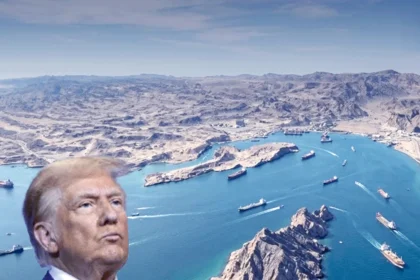
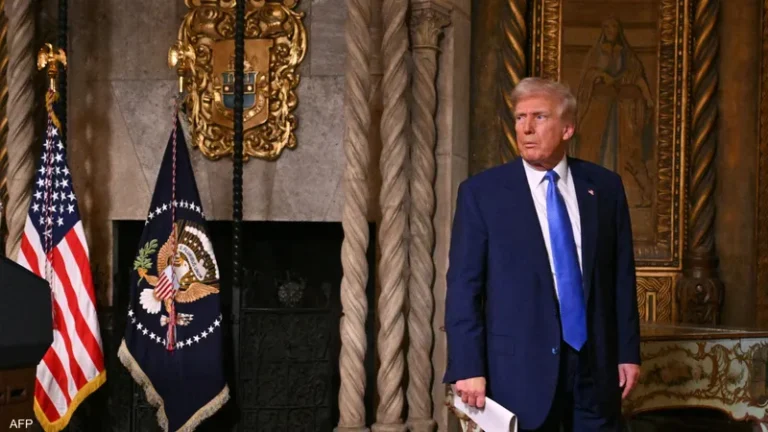
This refusal comes at a time when the US administration, led by President Donald Trump, is pressuring its allies to participate in an international coalition aimed at protecting navigation in the Strait of Hormuz, following an escalation of threats and attacks targeting facilities and ships in the region.
For their part, EU countries believe that military involvement could further complicate the situation and push the region toward escalation, especially given the sensitivity of the situation in the Gulf and its direct link to global oil supplies.
European diplomats indicated that the continent does not want to repeat past scenarios in which it paid the price for conflicts in which it was not a direct party. However, they emphasized that “strategic autonomy” has become a priority in shaping European defense policies.
Conversely, Europe has not completely closed the door to cooperation with the United States. However, it has linked any action to the necessity of being within a clear international framework and under the umbrella of international law. Furthermore, it has given greater weight to the political track over military solutions.
This stance reflects a clear divergence in the priorities of the two sides of the Atlantic. Washington tends toward a military solution, while Europe is betting on containing the crisis through diplomatic channels. It is trying to avoid a regional explosion that could have a heavy price for everyone.