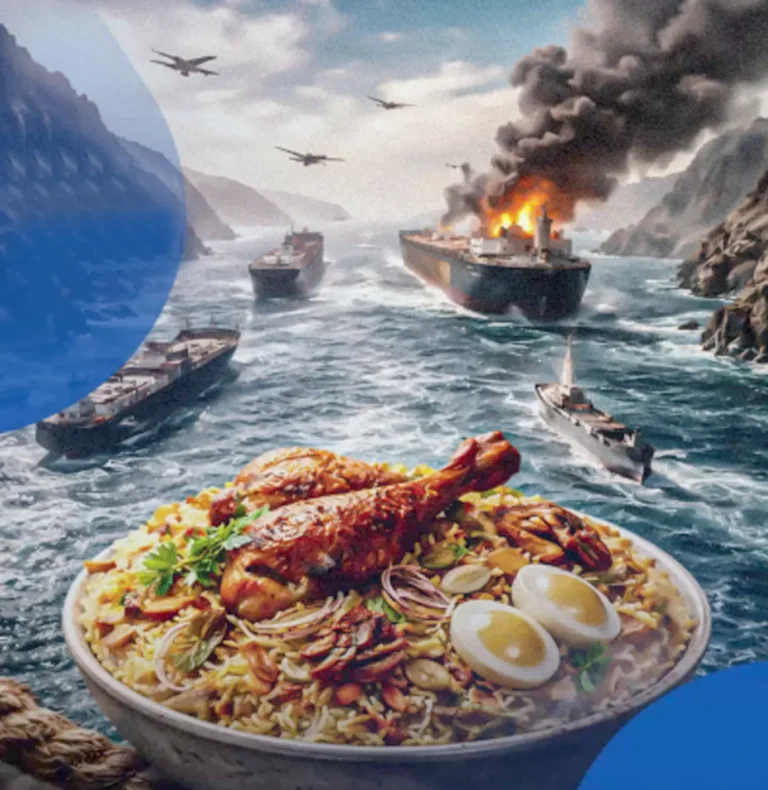
New Delhi, India – Global concerns about the stability of energy supplies have intensified following escalating tensions in the Strait of Hormuz.
This strait is the vital waterway connecting Middle Eastern oil and gas producers to global markets.
In a dramatic turn of events, the repercussions of this geopolitical crisis are now being felt in the streets
and restaurants of Indian cities. The popular samosa is threatened with disappearing from menus.
Energy dependence and logistical challenges
India, one of the world’s largest and fastest-growing economies, imports nearly 85% of its liquefied natural gas (LNG) from the Middle East.
This heavy reliance has left the country vulnerable.
Additionally, supply chains have been disrupted by escalating military conflicts involving
the United States and Israel against the Islamic Republic of Iran.
LNG is essential for cooking for India’s 1.4 billion people.
Therefore, the Indian government has faced a complex set of choices.
Government emergency plan: Homes first
To address the severe shortage, New Delhi made the strategic decision to redirect liquefied natural gas (LNG) flows.
It prioritized domestic consumption to ensure citizens’ stoves wouldn’t go out.
This decision came at the expense of industrial and commercial consumers, including large hotels, self-service chains, and street food stalls.
As a result of the reduced gas quotas allocated to the commercial sector,
many restaurant owners were forced to make drastic measures to stay afloat.
Samosas… the most prominent victim
In the same vein, field reports from major Indian cities indicate that popular restaurants
and kiosks have removed samosas and other fried items from their menus.
Frying them requires a large and continuous supply of gas. While chefs struggle to find alternative energy sources like coal or electricity,
traditional Indian cuisine appears to be facing a severe test amidst the fluctuations of international politics.
Thus, everyone remains hopeful for a breakthrough that will restore warmth to restaurants
and security to the tables of both the poor and the wealthy.