Beijing, Washington – Just two weeks before the highly anticipated summit between US President Donald Trump and his Chinese counterpart Xi Jinping in Beijing, a thick fog of uncertainty hangs over the corridors of Chinese politics.
Beijing is anxiously questioning the true intentions of the American leader. It is also wondering how the escalating conflict with Iran will affect the course of the official visit scheduled for March 31 to April 2.
Trade truce summit and logistical challenges
Trump’s first visit to China in his second term aims to solidify a trade truce agreed upon last October. However, Trump’s assertive style presents a challenge for Beijing, which prefers meticulous coordination to avoid embarrassment.
Despite White House assurances that preparations are proceeding smoothly, American business leaders have expressed concern over the delayed invitations to the accompanying delegation.
Moreover, Scott Kennedy of the Center for Strategic Studies sees this as evidence of a lack of substantial progress on sensitive issues.
In an effort to pave the way, US Treasury Secretary Scott Bisent is meeting with the Chinese Vice Premier in Paris this week.
The meeting aims to finalize the desired economic achievements. This is happening amidst ongoing trade investigations by Washington that could lead to new sanctions.
The Iranian file: “The biggest cloud” over Beijing
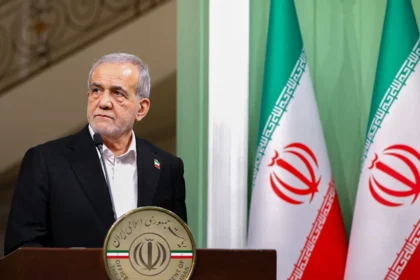
Analysts believe that the war in the Middle East is the biggest cloud threatening to overshadow the Iranian issue at the summit.
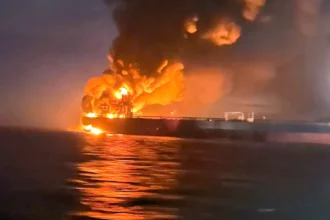
While Beijing condemned the US-Israeli strikes that affected Chinese oil supplies, it simultaneously avoided a direct confrontation with Washington.
For his part, Trump downplayed the dispute, portraying the war as necessary to secure the Strait of Hormuz and sending a message to Beijing: “We are really helping China here.”
Against this backdrop, observers expect Xi Jinping to project an image of a “stabilizing statesman” in the face of his American guest’s turbulent behavior.
He may also try to avoid overt involvement in the Iranian issue. He might do this in order to maintain his country’s strategic neutrality and safeguard its threatened investments in the region.