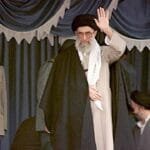
Tehran, Iran – Mojtaba Hosseini Khamenei has been a prominent figure for years, considered one of the most influential behind-the-scenes personalities in the Iranian power structure, before the Assembly of Experts announced his selection as the third Supreme Leader of the Islamic Republic, succeeding his father, Ali Khamenei. This move represents a significant shift in the Iranian leadership structure.
Origins and religious background
Mojtaba Khamenei was born on September 8, 1969, in the Iranian city of Mashhad. He is the second son of former Supreme Leader Ali Khamenei. He received his religious education at the seminaries in Qom, where he studied Islamic jurisprudence and sciences under several of Iran’s leading clerics.
Despite remaining away from official government positions for many years, he has remained an influential figure within the country’s religious and political institutions. He has also benefited from his extensive connections within the ruling elite.
Influence within the institutions of power
Mojtaba Khamenei’s name has become associated with significant influence within the ruling circles, particularly in the Iranian Revolutionary Guard and security institutions. Numerous reports indicate that he played a crucial role in supporting certain conservative political factions within the regime.
His name has also surfaced in connection with managing sensitive files related to domestic politics and elections. This has led him to be frequently described as one of the most prominent unofficial decision-makers in Tehran.
Controversy and criticism
The rise of Mojtaba Khamenei to prominence has sparked controversy both inside and outside Iran. Critics argue that the transfer of the Supreme Leader’s position to the son of the former Supreme Leader could reinforce accusations that the regime is moving towards dynastic succession.
His name has also been linked in recent years to allegations of corruption and arms deals, although these allegations have not been officially confirmed by Iranian authorities.
Observers believe that the coming period will be a crucial test of his leadership, especially given the political, economic, and security challenges facing Iran both domestically and internationally.