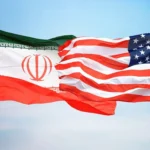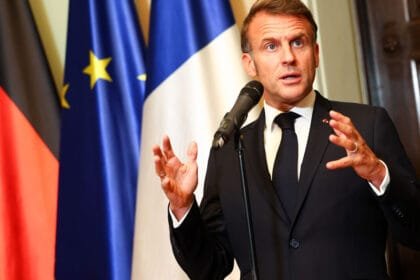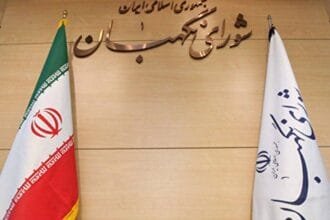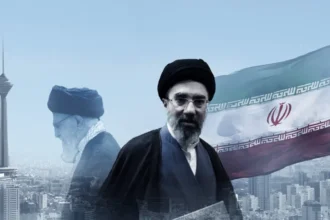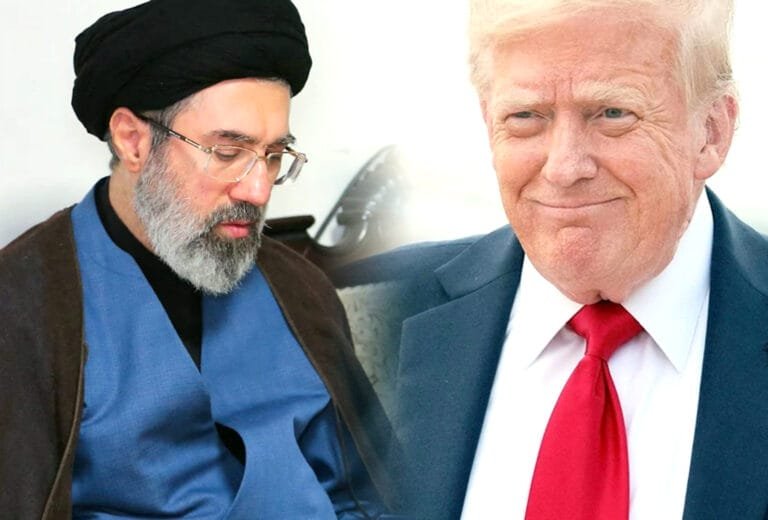
Washington, DC – The announcement of Mojtaba Khamenei’s appointment as the new leader of the Islamic Republic of Iran has elicited cautious and angry reactions in American political circles. These reactions have ranged from cautious anticipation from the White House to scathing attacks from congressional leaders and security experts, as the appointment of Khamenei is seen by many as a turning point in Iranian political life.
Trump: “We’ll see what happens,” and the American condition
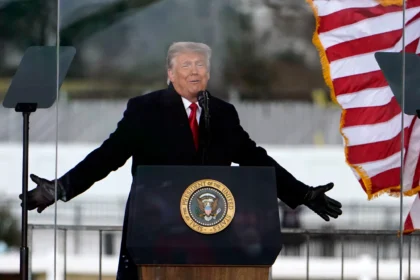
In his first comments on this significant shift in Tehran, US President Donald Trump opted for terse and ambiguous language. The Times of Israel reported that in a brief telephone interview, Trump declined to elaborate on Mojtaba’s election, simply stating, “We’ll see what happens.”
However, this reticence contrasts with Trump’s earlier, more forceful remarks to ABC News before the new leader’s identity was finalized. At that time, he implicitly vetoed the appointment, saying, “He has to have our approval. If he doesn’t have our approval, he won’t last long.” This clearly indicated that Washington would not stand idly by in the face of a leadership that did not align with its interests in the region.
Graham’s scathing attack: “Religious Nazi”
For his part, prominent Republican Senator Lindsey Graham launched a scathing attack via the X platform, describing Mojtaba Khamenei as an extension of his “murderous” father’s approach. Graham wrote, “The son of that Ayatollah is not the change we are looking for… He lived in luxury while the Iranian people suffered.”
Graham didn’t stop at political criticism, but also described the new leader as a “religious Nazi,” predicting a fate similar to his father’s. He described his father as “one of the most evil men on earth.” He addressed a direct message to the Iranian people, saying, “Stay strong… your freedom is near.”
Petraeus: Disappointment and concerns about the continuation of the approach
On the intelligence front, former CIA Director David Petraeus described the appointment as “unfortunate.” In an interview with CNN, Petraeus expressed his belief that Mojtaba would continue along his father’s extremist ideological path.
Petraeus questioned the new leader’s religious credentials, suggesting that he “may not actually be an Ayatollah,” just as his father was when he assumed power decades ago. He added that hopes had been pinned on the rise of a “pragmatic” figure willing to negotiate on the nuclear and missile programs. However, current indicators suggest no change in Tehran’s hardline stance, unless Mojtaba presents a “different face” after consolidating his power.