Washington, DC – US President Donald Trump said he believes he should be personally involved in the process of selecting Iran’s next leader. He also reiterated his opposition to the son of Iranian Supreme Leader Ali Khamenei assuming the position. His remarks represent a new political escalation amid rising tensions in the Middle East.
Statements about the future of leadership in Iran
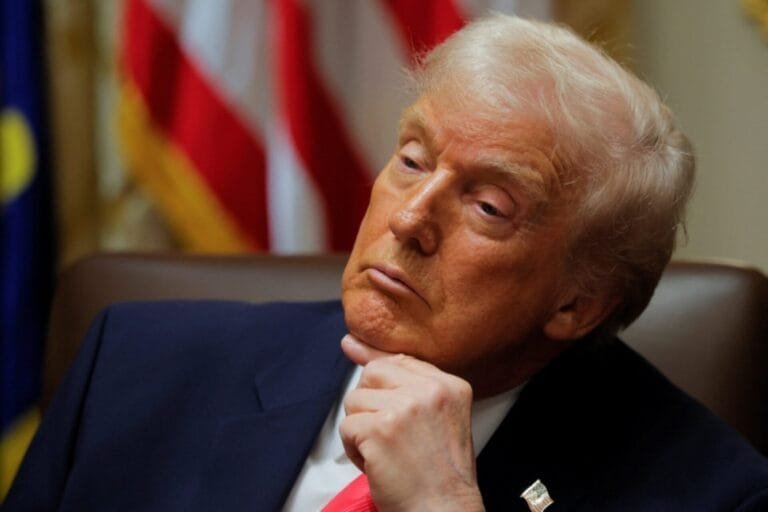
In an interview with Axios, Trump explained that he believes he should have a direct role in determining who will lead Iran in the future. He also indicated that his country wants to see a new leadership in Tehran capable of achieving internal stability and calming regional tensions.
He added, “Khamenei’s son is unacceptable to me.” He emphasized that the United States prefers a political figure who can bring “harmony and peace” to Iran, according to the website.
These statements come amid an unprecedented escalation in the confrontation between Iran and its regional and international adversaries. This raises questions about the future of the political system in Tehran.
Compared to the Venezuelan experience
Trump indicated that he sees the possibility of repeating the political intervention that occurred in other countries. He said he should be involved in the process of selecting the new leadership, “just as I did with Delcy in Venezuela.”
This statement reflects a US approach based on political and diplomatic pressure aimed at bringing about changes in regimes that Washington considers hostile to its interests.
This comes at a time when the international arena is witnessing increasing debate about the future of the Iranian leadership. This is taking place against the backdrop of escalating military and economic pressure on Tehran.
Escalating regional tensions
Trump’s remarks come at a time of significant military escalation in the region. This escalation, marked by ongoing strikes and attacks related to the Iranian crisis, has heightened fears of a wider conflict in the Middle East.
Observers believe that discussions about the future of the Iranian leadership reflect the increasing political pressure on Tehran. This comes amidst international and regional efforts aimed at reshaping the balance of power in the region.