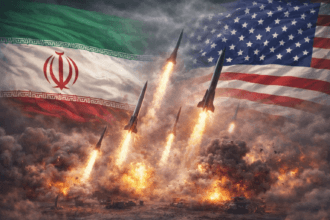
Washington, DC – The United States and Iran resume a new round of indirect negotiations on Thursday, amid heightened tensions and escalating demands for the dismantling of sensitive nuclear sites. This move could reshape the nuclear landscape in the region.
This round comes after a period of political stalemate and mutual media escalation. In this climate, both sides are seeking to explore the possibility of reviving a negotiating track that would ease tensions. It also aims to reset the pace of the years-long crisis.
US circles are demanding an expansion of the restrictions imposed on the Iranian nuclear program. These restrictions include dismantling or disabling certain facilities believed to play a pivotal role in enrichment operations. In contrast, Tehran insists on its right to develop a “peaceful” nuclear program in accordance with international agreements.
The 2015 nuclear agreement, formally known as the Joint Comprehensive Plan of Action (JCPOA), marked a turning point in relations between Iran and the major powers. However, Washington later withdrew from it, leading to escalating tensions and the reimposition of sanctions.
Observers believe that the resumption of negotiations, even on a limited scale, represents a diplomatic window of opportunity to avert further escalation. They argue this is especially true given the fragile regional situation and the interconnectedness of security issues in the Middle East.
As the new round of talks approaches, attention is focused on whether the two sides will simply manage the crisis, or whether there is an opportunity to achieve a genuine breakthrough that dispels the specter of confrontation and puts de-escalation back on track.