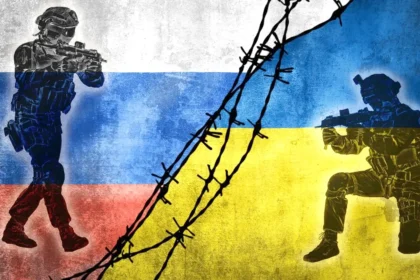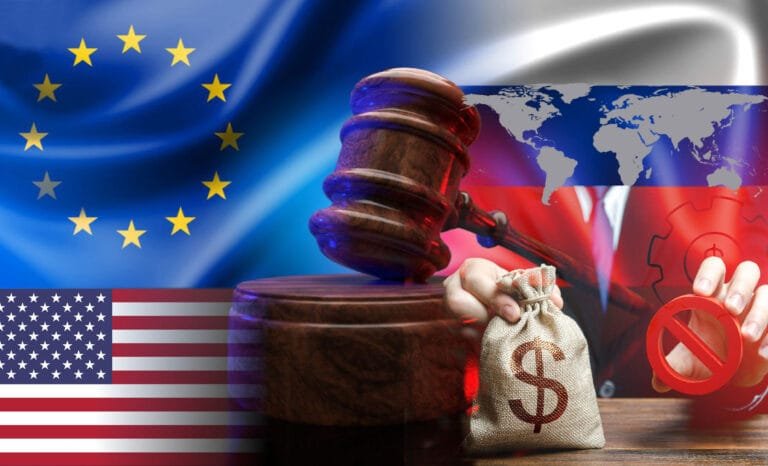
Brussels, Belgium – Four years after the outbreak of war between Russia and Ukraine, the European Union has decided to escalate its economic confrontation, announcing the implementation of its twentieth round of sanctions against Moscow,
a move reflecting the continent’s determination to maintain political and financial pressure.
The new package targets vital sectors of the Russian economy.
Restrictions are also being tightened on companies and individuals involved in military operations.
Furthermore, new restrictions have been imposed on financial transfers and supply chains related to the defense industry.
Economic strangulation
European sources confirmed that the latest sanctions focus on:
Limiting Moscow’s ability to circumvent previous sanctions.
Expanding the list of sanctioned entities and individuals.
Tightening controls on dual-use exports.
Targeting financial support networks outside European borders.
Observers believe that reaching the twentieth round of sanctions reflects a shift from a temporary political reaction to a long-term strategy.
These sanctions also aim to gradually weaken Russia’s economic capabilities.
A political message before it is an economic one
The European move is not merely financial; it sends a clear message that Brussels does not intend to back down from its supportive stance toward Kyiv,
despite the internal economic pressures some European countries are facing due to rising energy costs and slowing growth.
Meanwhile, Moscow repeatedly affirms its ability to adapt to the sanctions by expanding its trade partnerships
with Asian powers. It maintains that Western measures “will not break the Russian economy.”
European sanctions: between pressure and balance
Despite the apparent consensus within the European bloc, the continuation of the war poses political and economic challenges for European governments,
especially given the growing internal calls for a reassessment of the cost of the confrontation.
However, the message emanating from Brussels seems decisive:
Four years of war have not ended European support for Ukraine; rather,
they have prompted the continent to tighten its economic grip more than ever before.
The open question remains: Will the twenty sanctions be a turning point in the course of the war… or merely a new chapter in a long-term conflict?