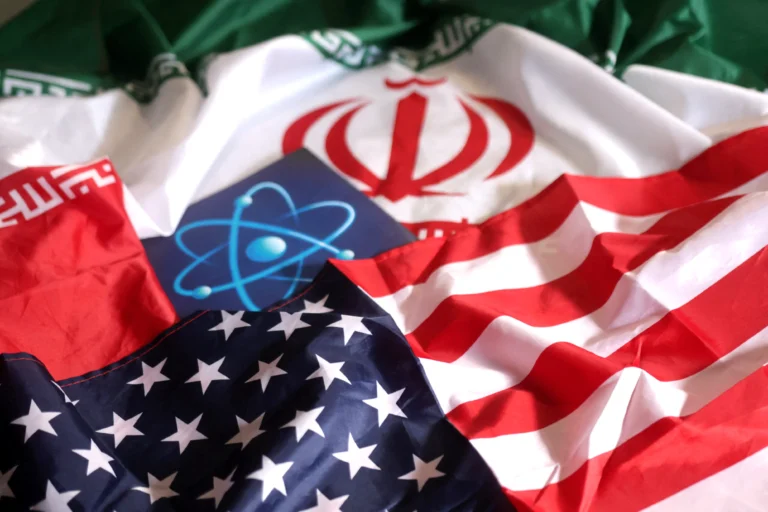
Geneva, Switzerland – US reports on Tuesday indicated “progress” in the nuclear talks between the United States and Iran, hosted by Geneva. Meanwhile, US sources confirmed a reinforcement of Washington’s military presence in the Middle East over the past 24 hours. This move reflects the continued combination of diplomatic and military efforts.
Positive assessment from the Iranian side
The Axios website reported that Iranian Foreign Minister Abbas Araqchi presented an “optimistic and encouraging”
overview of the latest round of negotiations, which lasted approximately three hours.
He described the talks as “serious, constructive, and positive.”
In addition, he indicated that a general understanding had been reached on
a set of principles that could serve as a basis for drafting a potential agreement.
However, he emphasized that this did not mean a final agreement was imminent.
Omani mediation and technical progress
For his part, Omani Foreign Minister Badr al-Busaidi, who is acting as mediator, said the second round of talks concluded with “good progress toward identifying common goals and technical issues.”
He added that the atmosphere of the meetings was constructive. However, much work remains to be done in the upcoming rounds.
Axios quoted a US official as saying the talks proceeded “as expected.”
A senior White House official confirmed progress had been made, though many details still needed to be discussed.
He explained that the Iranian side would return within the next two weeks with detailed proposals to bridge the remaining gaps.
Simultaneous military reinforcement
In contrast, a US official revealed that more than 50 F-35, F-22,
and F-16 fighter jets had been deployed to the region in recent hours.
This deployment, along with the dispatch of a second aircraft carrier,
reflects the continuation of the policy of military pressure alongside the negotiation process.
All eyes are now on the anticipated third round of talks, amid international anticipation regarding
their potential impact on shaping the next phase of the Iranian nuclear issue.