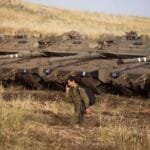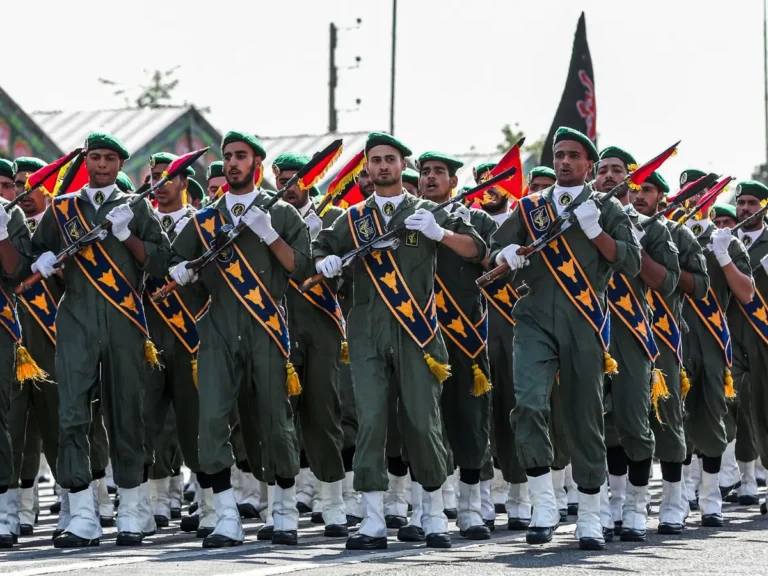
Tehran, Iran – In an article with sensitive strategic and historical implications, the Iranian newspaper Jomhouri-e Eslami called for a restructuring of the armed forces. The newspaper also demanded the integration of the army and the Islamic Revolutionary Guard Corps (IRGC) into a unified force to confront security and economic challenges and mounting international pressure.
Justifications for integration: cohesion and strength
The article’s author, Qader Bostani Tabrizi, asserted that the escalating US military presence in the region and the economic pressures facing Iranian society necessitate “unity and efficiency” within the defense structure. He pointed out that the continued existence of parallel institutions, which arose under revolutionary conditions, is no longer compatible with the requirements of sustainable national security. He further explained that the duplication of roles leads to organizational redundancies and exorbitant financial burdens on the state. Moreover, the overlapping of roles, with military institutions expanding into the economic, political, and diplomatic spheres, has created a controversial image and become a pretext for imposing costly international sanctions.
Returning to Rafsanjani’s memoirs
The article referenced the memoirs of Ayatollah Hashemi Rafsanjani, noting that the founder of the Islamic Republic, Imam Khomeini, acknowledged the eventual necessity of unifying the two forces, despite his concerns about the timing at the time. The author also recalled the 1991 merger of the police, gendarmerie, and revolutionary committees under the name “NAJA,” considering it a successful model for transitioning from fragmented revolutionary administration to centralized governance.
Implications of expanding non-military roles
The article implicitly criticized the current situation, arguing that a significant portion of Iran’s foreign policy and economic problems stem from the military’s involvement in areas for which it was not designed. It emphasized that the solution lies in the rational consolidation of power, stressing the need for each institution to return to its legally defined roles and to refrain from internal political conflicts.
Timing context
The publication of this article comes at a sensitive time (February 2026), as the region undergoes dramatic transformations. Furthermore, there is a growing need within Iran for structural reforms to alleviate the economic crisis and defuse international pretexts targeting Iranian military institutions.