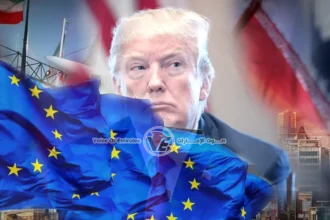
Paris, France – International tensions have escalated over the strategic island of Greenland following reports of French-led moves within NATO to bolster the alliance’s military presence in the Arctic. This comes as US President Donald Trump sharply criticized Europe, warning of the consequences of what he called “uncoordinated policies” within the alliance.
Greenland: The Heart of the New Conflict
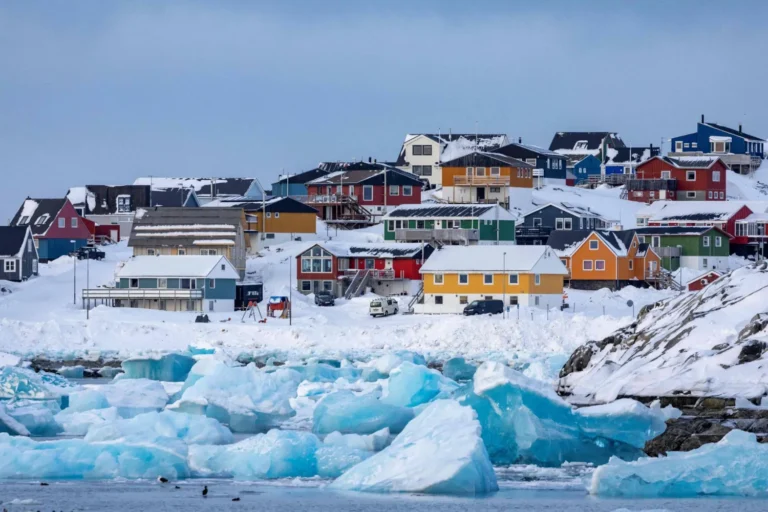
Greenland, a territory of the Kingdom of Denmark, is an increasingly strategically important point due to its geographic location and potential natural resources. Furthermore, it is a key hub for new sea routes that may open up as a result of Arctic ice melt.
Reports indicate that France is pushing within NATO to strengthen defense cooperation and a logistical presence in the region. This is aimed at countering growing Russian and Chinese influence, placing the Arctic at the forefront of global geopolitical competition.
Trump enters the fray
For his part, Trump attacked European actions, arguing that some European countries “take advantage of the American security umbrella without shouldering sufficient burdens.” He also threatened to reassess Washington’s commitments within the alliance if current policies continue. This has sparked widespread debate about the future of transatlantic relations.
Why is the Arctic becoming increasingly important?
Analysts believe the region is witnessing an accelerating power struggle for several reasons:
Potential discoveries of energy resources and rare minerals.
Shorter shipping routes between Asia and Europe.
Growing military and strategic importance.
Will the competition turn into a confrontation?
Although current actions are classified as deterrence and strategic balance, experts warn that any miscalculation could push the region into greater tension, especially given the increasing military presence and overlapping international interests in this “battle of the ice,” which may well shape the contours of the new world order.