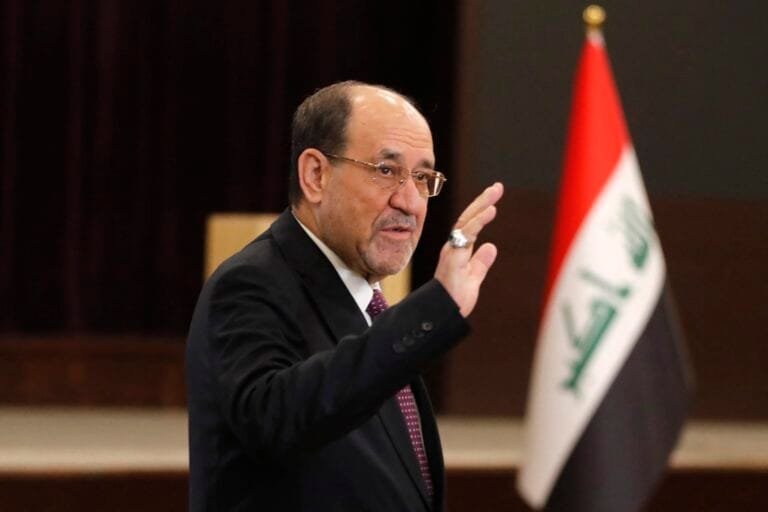
Baghdad, Iraq – Iraqi political sources revealed that former Prime Minister Nouri al-Maliki is considering withdrawing his candidacy for the premiership, a surprising move that could significantly alter the Iraqi political landscape. This step could pave the way for a realignment of alliances within parliament.
The sources explained that this move comes amidst increasing complexities in the government formation process. There is also mutual political pressure among the major blocs, along with considerations related to avoiding the political deadlock that plagued the country in the past.
Maliki is considered one of the most prominent players on the Iraqi political scene, wielding considerable parliamentary and popular influence within the “coordination framework.” Therefore, any decision regarding his candidacy will have a direct impact on the ongoing negotiations among Shia forces. Furthermore, the decision will affect the balance of power with other political factions.
Observers believe that Maliki’s consideration of withdrawing from the government carries multiple implications, most notably an attempt to defuse political tensions. It also suggests the possibility of paving the way for a consensus candidate capable of forming a government with minimal discord, at a time when Iraq faces economic and security challenges that demand a stable and effective administration.
Conversely, analysts do not rule out the possibility that this proposal is a political pressure tactic aimed at improving negotiating positions within the alliances. It may also aim to redistribute roles in a way that ensures the preservation of influence within the executive branch.
These developments come at a time when the Iraqi public is awaiting the outlines of the next phase, amidst popular demands for reform, combating corruption, and improving services. Furthermore, there are calls to end the political paralysis that has burdened the country in recent years.
Maliki’s decision, if officially confirmed, remains a pivotal moment that could determine the direction of the Iraqi political landscape. The decision could lead to a potential political breakthrough or shift the conflict to new paths in a country that cannot withstand further polarization.