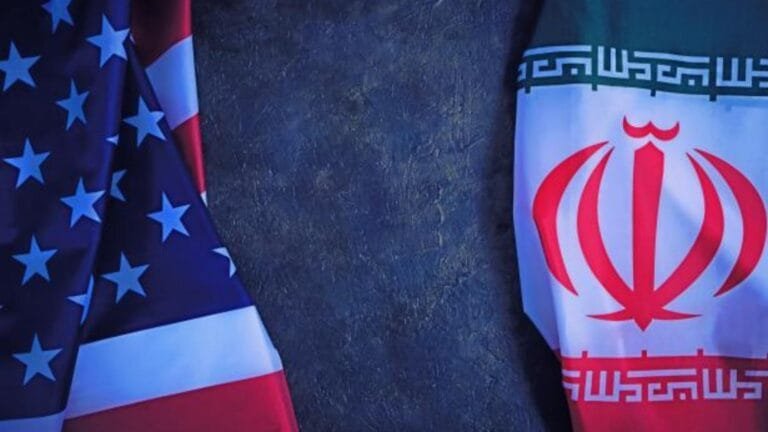
Tehran, Iran – Amid threats from US President Donald Trump to strike Iran, Tehran and Washington are preparing for a new round of talks that could determine the future course of relations between the two countries. This comes amid mutual pressure and significant challenges regarding trust, timing, and objectives. Trump asserted that Iran is speaking “seriously” with Washington. He also expressed hope that Tehran would accept an agreement that would lead to it abandoning its pursuit of nuclear weapons. When journalists aboard Air Force One asked him for his latest assessment of the Iranian situation, Trump initially declined to answer. However, he later clarified that he had deployed significant military equipment and troops to the region. He added, “I hope they reach an acceptable agreement.”
In response to a comment attributed to the Saudi defense minister that Trump’s reluctance to attack might embolden Iran, the US president said, “Some people think so, and some people don’t.” He added, “A satisfactory agreement can be reached through negotiation, without the use of nuclear weapons… They should do that, but I don’t know if they will. They are talking to us—seriously.” Trump also announced that India would purchase Venezuelan oil instead of Iranian oil. Meanwhile, China also welcomed the agreement with the United States to buy oil from Venezuela.
Observers told Voice of Emirates that this round of talks may be the “last chance” to prevent relations from sliding into a full-blown military confrontation. Iranian analyst Arash Azizi believes that Iran tends to make deals in order to survive. However, he warned that the failure of the negotiations could lead to increased sanctions and create “dangerous escalation scenarios.” Furthermore, internal economic and social repercussions could emerge, potentially exacerbating unrest within the country.
Observers told Voice of the Emirates that this round of talks may be the “last chance” to prevent relations from sliding into a full-blown military confrontation. Iranian analyst Arash Azizi believes that Iran tends to make deals in order to survive. However, he warned that the failure of the negotiations could lead to increased sanctions and create “dangerous escalation scenarios.” Furthermore, internal economic and social repercussions could emerge, potentially exacerbating unrest within the country.