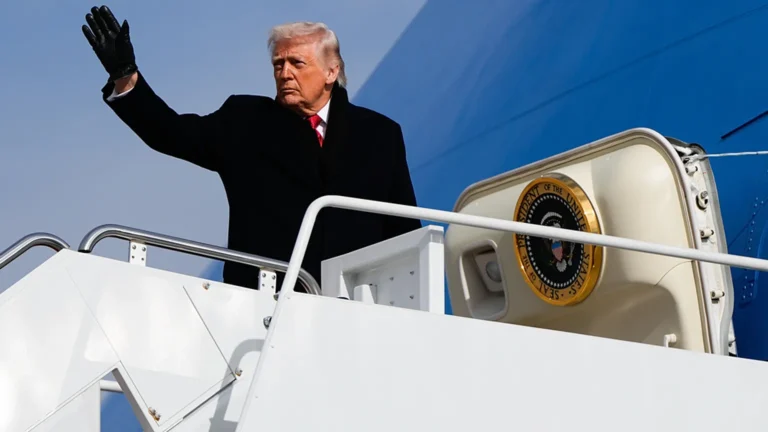
Washington, DC – Tensions in the Middle East are escalating to unprecedented levels following US President Donald Trump’s announcement of sending a US military fleet to the region. This move has provoked angry reactions from Tehran, which has warned that any attack against it will be treated as an “all-out war.” According to Sky News, a senior Iranian official stated that his country would consider any US military action, whether limited or “surgical,” as a declaration of full-scale war. He also confirmed that the Iranian armed forces are on high alert in anticipation of the worst-case scenario. This coincides with the imminent arrival of a US aircraft carrier strike group and additional military assets in the Middle East.
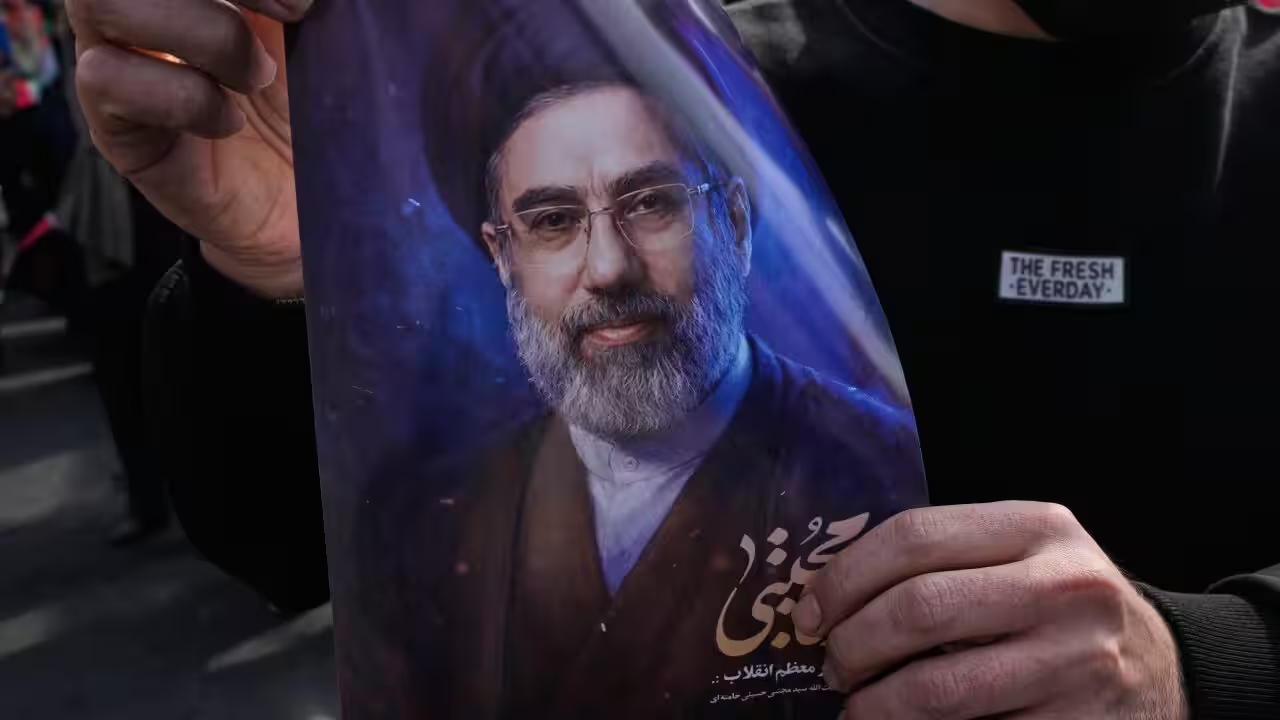
This escalation comes roughly two weeks after Trump publicly urged Iranian protesters to continue their demonstrations. He also asserted that “help is on the way,” a statement that angered Tehran, particularly given the thousands killed in recent protests within Iran. An Iranian official, speaking to Reuters on condition of anonymity, said his country hoped the military buildup was not a prelude to a full-blown confrontation. However, he emphasized that any violation of Iranian sovereignty would be met with a harsh response, without specifying the nature of that response.
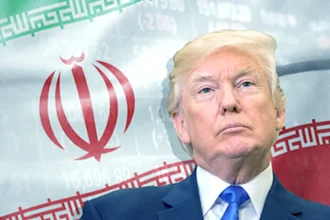
For his part, the US president announced on Thursday that the United States had a “fleet en route to Iran.” He also expressed hope that military force would not be necessary, but reiterated his warnings to Tehran against carrying out further executions of protesters or restarting its nuclear program. It is worth noting that Washington has a history of bolstering its military presence in the Middle East during periods of tension. It has often described these moves as defensive. However, past actions, including the military buildup preceding the US airstrikes on Iran’s nuclear program last June, as well as the military action prior to the intervention in Venezuela, have raised widespread doubts about the true nature of US intentions.
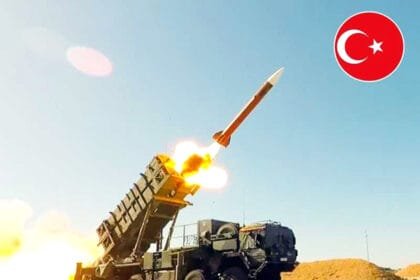
In the same vein, the US Department of Defense released its new National Security Strategy, warning that Iran may again seek to acquire nuclear weapons, despite what it described as the “significant setbacks” it has recently suffered. The document emphasized that the Iranian leadership continues to refuse to engage in serious negotiations. It also continues, along with its allies, to fuel regional crises that threaten stability in the Middle East. On the international front, the United Kingdom announced the deployment of Eurofighter Typhoon fighter jets to Qatar at Doha’s request. Meanwhile, additional air defense systems are being deployed, likely to protect US and Israeli bases in the region. Speaking aboard Air Force One on his return from the World Economic Forum in Davos, Trump said that his country may not need to use military force. However, it is monitoring Iran “very closely,” at a time when the region appears closer than ever to open confrontation. This comes amid regional and international fears of a slide into a wider conflict.