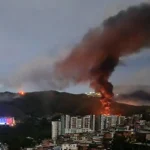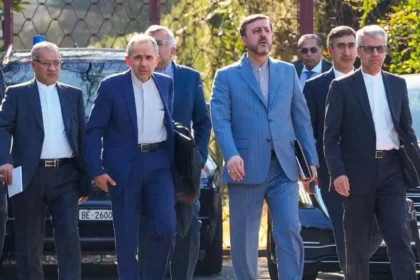
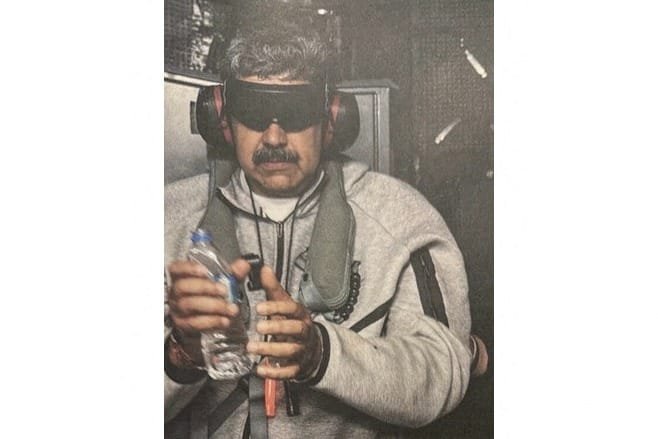
Caracas, Venezuela – Venezuela has entered a period of extreme turmoil following the announcement of President Nicolás Maduro’s arrest, an unprecedented development that has shaken the foundations of power and raised critical questions about who is effectively ruling the country and the nature of the anticipated transition.
According to informed political sources, the Venezuelan constitution places the vice president at the forefront temporarily in the event of the president’s absence or incapacity. However, the reality on the ground appears far more complex, given the division of power centers between the military, the ruling party, and the security services.
Reports indicate that Vice President Delcy Rodríguez is attempting to present herself as the official face of the state, relying on limited constitutional legitimacy. However, her ability to exert complete control remains questionable, especially given the growing influence of prominent military leaders who now effectively control key security decision-making positions.
Meanwhile, the military council and sovereign bodies are working to ensure public stability and prevent the country from descending into chaos, amid reports of heightened readiness within armed units and a heavy deployment of forces around vital institutions in the capital, Caracas.
On the other side, opposition forces have found themselves with a historic opportunity to reorganize. They have begun intensive consultations to form a unified political front demanding a transitional period overseen by a neutral body, paving the way for early elections under international supervision.
Observers believe the current situation is more of a power struggle than a power struggle, as each faction attempts to impose its will in a country already suffering from a crippling economic crisis, collapsing services, and a complete erosion of public trust in the political class.
Internationally, major powers are closely monitoring developments, calling for calm and respect for institutions, while some countries are threatening to reconsider their relations with Caracas depending on how the situation unfolds, further complicating the internal landscape.
Between a effectively suspended constitution, a seething public, and institutions vying for power, Venezuela remains at a historic crossroads: either an orderly transition that restructures the state, or political chaos that could deepen the wounds of a country exhausted by years of conflict and sanctions.