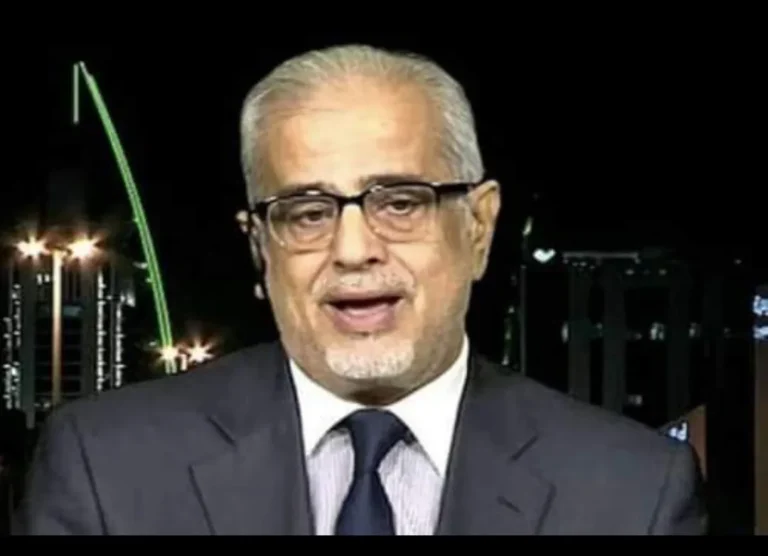
Aden, Yemen – Prominent southern academic and politician Dr. Hussein Laqour bin Aidan asserted that the southern Yemeni conflict has entered a phase of “profound structural transformations” since the beginning of December. He believes that the issue of restoring the state in South Arabia has become a political and legal imperative imposed by the balance of power on the ground, and is no longer merely an emotional demand.
New reality on the ground: 95% under the control of the South
Laqour noted on his Facebook page that recent developments on the ground have resulted in the Southern Transitional Council (STC) effectively controlling approximately 95% of southern territory. This control includes the governorates of Hadramawt and Al-Mahra. He emphasized that this significant shift establishes a new political reality that the international community cannot ignore.
Laqour stressed that responsibility dictates directing discourse and efforts toward what affects people’s lives, security, and dignity, away from peripheral battles. He said, “The southern masses are not concerned with the fate of those who chose humiliation for themselves in Lower Yemen. Nor are they concerned with its intellectuals who sided with their oppressors and then bullied the people of the South.”
Breaking free from the “distorted” destiny
Laqour added firmly, “It is unjust to ask the people of the South to make further sacrifices for those who have become addicted to subservience. At every opportunity, they brandish their knives at the South. The fate of our children cannot be tied to those who believe only in stabbing us in the back at the first opportunity.” He emphasized that the South today must focus solely on its people and its future state.
Legal clarification: The Security Council statement is not a “resolution”.
In response to media coverage praising the Security Council’s statements on “Yemeni unity,” Dr. Laqour provided a legal explanation clarifying the difference between UN instruments. He pointed out that what was recently issued was a “press release,” not a binding resolution.
Laqour explained the differences as follows:
A formal resolution: requires the approval of 9 members and no use of the veto. It is legally binding and may impose sanctions or military interventions (especially under Chapter VII).
The press release, which he described as “merely a quick media statement,” is issued by the council president to express a unified position without requiring a formal vote or any real legal commitment. It is a tactic the council resorts to when it is unable to reach a “strong decision,” due to international disagreements.
Laqour concluded by emphasizing that the Security Council’s reliance on press releases instead of resolutions demonstrates the complexity of the issue. It also indicates a reluctance on the part of major powers to commit themselves to strong measures, thus strengthening the South Sudanese position in pursuing their aspirations on the ground, rather than relying on non-binding media statements.