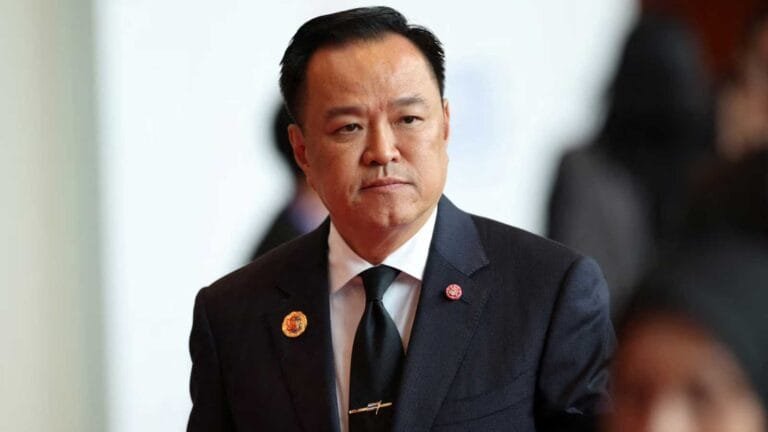
Dhaka, Bangladesh – After a physical absence of 17 years, Tarique Rahman, the son of Bangladesh Nationalist Party (BNP) leader and former Prime Minister Khaleda Zia, is preparing to return to his country in a pivotal move that could reshape the political landscape in Bangladesh, ahead of the general elections scheduled for February 12.
Ending “voluntary exile”
The Bangladesh Nationalist Party announced on Friday that Rahman, 60, will return to Bangladesh later this month, ending what it called a “self-imposed exile” he has spent in Britain since 2008.
Rahman left the country due to what he described as political persecution and harassment during the rule of former Prime Minister Sheikh Hasina.
Tariq Rahman is considered the most prominent political heir to the party, which is led by his mother (80 years old), given her deteriorating health condition.
Rahman, who is seen as one of the leading potential candidates for prime minister, confirmed his intention to run in the upcoming elections.
A political career and broad influence from London
Tariq Rahman’s name emerged strongly at the beginning of the millennium, as he served as the joint general secretary of the party between 2001 and 2006.
During that period, his influence grew until he was seen as the “second man” in power and the unofficial decision-maker. His influence was based on a network of organizational relationships and his role in restructuring the party.
Leadership from exile
Despite his long absence, Rahman continued to play a pivotal role in leading the party from abroad, overseeing the development of the party’s political strategies and directing the opposition’s rhetoric against Sheikh Hasina’s government.
He maintained constant contact with the party leadership, effectively becoming the de facto leader of the party.
A comeback could change the equation
Opinions are divided on the Bangladeshi street regarding Tariq Rahman’s return; supporters see him as a natural political heir to a family that has played a major role in the country’s history.
Opponents consider him a symbol of a period associated with corruption and nepotism.
Amid this division, Tariq Rahman’s anticipated return represents a significant political event that could reshuffle the cards in Bangladesh, whether through his direct participation in the elections or his transformation from a “shadow leader” to a key player on the front lines of power.