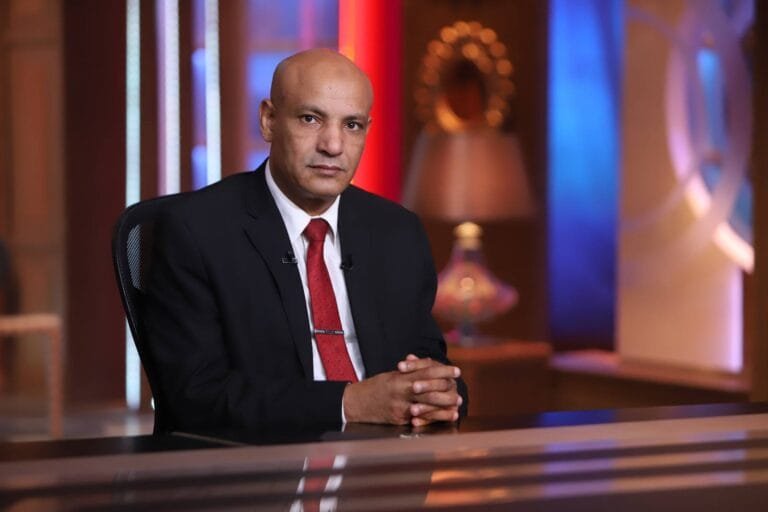
Cairo, Egypt – Maher Farghali, an Egyptian researcher specializing in Islamic movements, revealed intensified activity by the international organization of the Muslim Brotherhood. He indicated that the organization has devised a plan to target the United Arab Emirates. This came during a recent meeting held in Lahore, Pakistan.
In a post on the “X” platform (formerly Twitter), Farghali explained that one of the strategies approved by the international organization during the Lahore meeting was to focus on the Sudan issue. This includes organizing activities, meetings, seminars, and marches aimed at denouncing the UAE. The group describes the UAE’s role as supporting General Mohamed Hamdan Dagalo (Hemedti).
Successive meetings and leaders present
The international organization of the Muslim Brotherhood concluded its meeting in Lahore, Pakistan, which included 41 branches and their leaders. A day later, the European Muslim Council (affiliated with the Muslim Brotherhood), led by Abdullah bin Mansour, convened in Turkey. Following this European meeting, prominent figures from the Brotherhood’s intellectual circles met in Kuala Lumpur, Malaysia. Among the attendees were Mahathir Mohamad, Abdelrazak Makri (Algeria), Ould Dedew, and an influential figure within the global Muslim Brotherhood organization, the Iranian Abbas Khamayar. Khamayar serves as an advisor to Iranian Supreme Leader Ali Khamenei and holds a doctorate on the Muslim Brotherhood. The Lahore meeting was the most significant.
Lahore meeting strategy
The organization instructed its branches in various countries to deny the existence of a global organization. It also directed them to change the names of their institutions to names that do not include the group’s name. The organization further directed them to focus on the Sudan file, including activities, meetings, seminars, and marches condemning the UAE and its role in supporting Hemedti. It emphasized the importance of the Tunisia file and the issue of prisoners from the Ennahda movement, affiliated with the Muslim Brotherhood. The organization called for supporting the group’s activism in Tunisia through new methods. It also directed them to work with allies to launch a reconciliation project with the Egyptian regime and to utilize the group’s partner media outlets in this endeavor.
International Organizational Structure
The Muslim Brotherhood’s international organization also decided to retain Mahmoud El-Ebiary (Egyptian-British national residing in London) as its Secretary-General. He will also oversee the group’s global media operations. Anas Al-Tikriti (Iraqi-British national residing in London) was appointed as El-Ebiary’s deputy.
The organization also assigned Helmy El-Gazzar to handle education and ideology, and Mohi El-Din El-Zayt to be responsible for the organization’s international and regional branches.