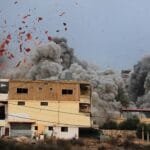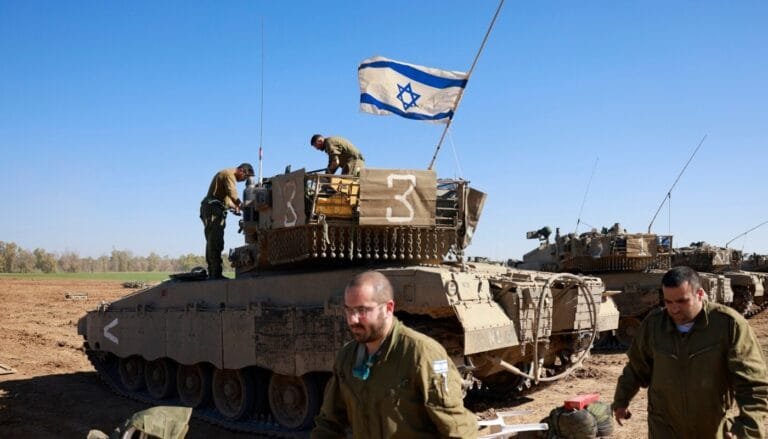
Beirut, Lebanon – Clashes between Israeli forces and Lebanese militias backed by Hezbollah have escalated to unprecedented levels, with a fierce exchange of airstrikes, artillery fire, and ground attacks. This has resulted in over 1,000 deaths and thousands of injuries since the escalation began on March 2. Meanwhile, large areas of southern Lebanon and the suburbs of Beirut have been almost completely devastated.
Official sources reported that the fighting has caused massive destruction to vital infrastructure, with thousands of families displaced to other parts of the country or abroad in search of safety. Hospitals are facing immense pressure and severe shortages of medical equipment and medicine amidst the influx of wounded.
Israel has intensified its military operations on the ground and in the air in southern Lebanon, including doubling its presence along the border with Lebanon. It has also conducted search and raid operations in areas suspected of being used by Hezbollah operatives, in an attempt to dismantle what it describes as the group’s “military infrastructure.”
In response, Hezbollah continues to launch short- and medium-range missiles toward Israeli positions within the Green Line, in a sustained retaliation for Israeli strikes. This escalates the violence and increases the likelihood of wider confrontations.
In an attempt to prevent the conflict from spreading, the Jordanian government affirmed its refusal to allow the country to become a battleground or a platform for attacks against any other nation. This also served as an implicit warning about the dangers of escalation to the stability of the entire region.
Observers warn that the continuation of this escalation will lead to a widespread humanitarian crisis in Lebanon, with profound repercussions for regional stability. There are also concerns about the potential intervention of other parties, which could redraw the rules of engagement between Israel and regional powers.
Current indicators suggest that this conflict between Israel and Hezbollah has transcended a conventional exchange of military strikes, becoming a sign of a dangerous deterioration in regional security. Lebanon is thus placed under the weight of a comprehensive conflict that could extend for days and weeks to come, with catastrophic consequences for civilians and infrastructure.