Washington, DC – A “pre-storm” atmosphere hangs over the Middle East. Tensions between the United States and Iran reached a peak in the second week of January 2026. As internal protests intensified in Tehran, the specter of a US military intervention began to loom. This comes amidst an unprecedented regional and international mobilization.
Military movements and threats of war
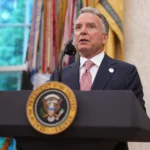
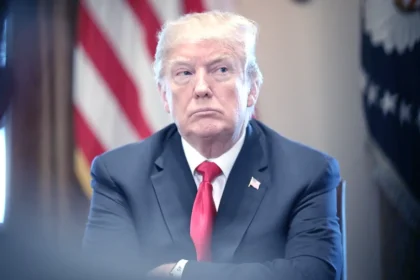
CBS News reported that the Pentagon presented President Donald Trump with a comprehensive list of military and classified options. These options include airstrikes, cyberattacks, and psychological operations aimed at crippling Iran’s command and control capabilities. These moves coincide with direct messages from the White House. President Trump, via his Truth Social platform, called on Iranian protesters to seize state institutions. He asserted that “help is coming,” according to Al-Araby Al-Jadeed newspaper.
In a significant development on the ground, Reuters, citing US officials, reported that the United States has begun a partial withdrawal of some of its forces from its main bases in the region as a precautionary measure. This move comes in anticipation of potential Iranian retaliatory attacks targeting US military installations in the Gulf.
The Gulf position: to contain the conflict and avoid an explosion
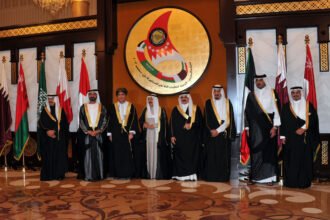
Regionally, a state of deep concern prevails in the capitals of the Gulf Cooperation Council (GCC) countries. According to The Wall Street Journal, the Gulf states, led by Saudi Arabia, are exerting intensive diplomatic efforts to dissuade the Trump administration from the option of a military attack. Saudi sources confirmed to the newspaper that Riyadh will not participate in any military conflict. Furthermore, it will not allow its airspace to be used for launching attacks, fearing that this would “shake up global oil markets” and disrupt navigation in the Strait of Hormuz.
Tehran: Readiness for a comprehensive response
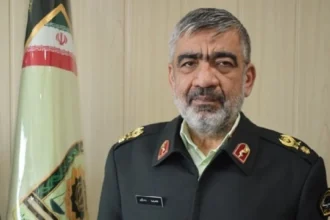
In response, Tehran did not remain silent. The Iranian Foreign Ministry spokesperson told local and international media outlets, including the Algerian news site “Al-Jazair,” that the possibility of a US attack “exists and cannot be denied.” He also emphasized that his country is in a constant state of readiness. Furthermore, Iranian military leaders, in statements carried by the Anadolu Agency, threatened to target all US bases in the region should Iranian sovereignty be violated.
The Middle East is on the brink of a volcano.
Political observers, according to analyses published by the Al-Mashhad Foundation, believe that 2026 could be the most dangerous year in decades. Iran’s internal crises intersect with Washington’s desire to “change the rules of the game.” While Congress pushes to restrict war powers, anticipation remains high in the streets of Tehran and the Gulf capitals, as people await the outcome of the coming days: either an open confrontation or a last-minute settlement.