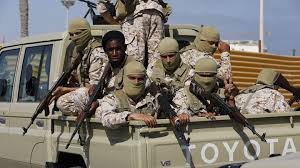
Tripoli, Libya — A report by the United Nations reveals that armed groups in Libya have become the dominant force controlling political and economic structures.
Rise of Armed Groups in Libya
The report states that armed groups in Libya have used coercive tactics similar to cartels to expand their influence within state institutions.
Restructuring of Armed Groups in Libya
Following events in 2025, armed groups in Libya underwent major restructuring, strengthening their control and reducing accountability.
Control Over Smuggling Routes
Armed groups in Libya have consolidated control over key smuggling routes, turning the country into a hub for regional criminal networks.
Impact on Democracy and Human Rights
The report accuses armed groups in Libya of disrupting elections and committing violations including arbitrary detention and torture.
Arms Embargo Violations
Armed groups in Libya continue to violate international arms embargoes, acquiring weapons through illicit channels.
Oil Smuggling Activities
The report highlights large-scale oil smuggling operations linked to armed groups in Libya, causing billions in losses.
International Criminal Networks
Global networks are reportedly supporting armed groups in Libya in managing illicit supply chains.
Overall, armed groups in Libya represent a major threat to stability and governance.