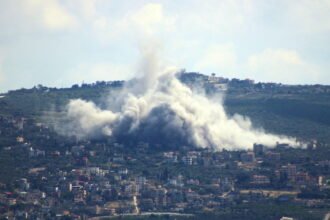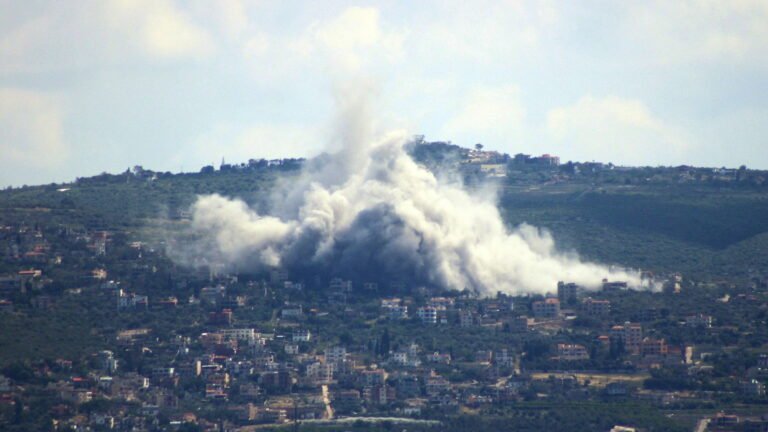
Beirut, Lebanon – In a new field development reflecting the intensity of the situation on the Lebanese border, Agence France-Presse (AFP) reported that 5 people were killed in an Israeli airstrike targeting the coastal city of Tyre in southern Lebanon. This incident is part of a series of operations witnessed in the region over the past hours. As a result, it is raising alarms regarding the increasing pace of military escalation that threatens the stability of civilian areas.
In a related context, ambulance crews and civil defense teams rushed to the target site in the city immediately following the strike to retrieve the victims and deal with the aftermath. However, no official details have been released yet regarding the identities of the deceased or the extent of material damage to the city’s infrastructure. The city serves as a vital economic and population hub in the south.
Concerns Over Targeting Coastal Cities
In a related context, targeting the city of Tyre is viewed as a qualitative shift in field operations, given the strategic and symbolic importance the city holds. This bombing has raised serious concerns among local and international circles. In particular, there is worry that this military escalation could lead to the situation sliding toward a wider confrontation. This is especially concerning with the increasing frequency of air and artillery strikes along the Blue Line.
Furthermore, field reports warned that the continuation of these operations exacerbates the humanitarian situation, as displacement increases and essential services in southern towns are disrupted. This situation places additional pressure on the Lebanese government and humanitarian organizations operating in the region.
International Calls to Contain the Situation
On another note, diplomatic efforts are continuing behind the scenes in an attempt to contain this escalation. International parties are repeatedly calling for the necessity of adhering to restraint and preventing the region from sliding into a wider, catastrophic conflict. Meanwhile, Lebanese official authorities confirm that they are monitoring developments closely, with continued demands to stop operations that target residential areas.
In conclusion, the field scene in southern Lebanon remains open to all possibilities. With the continued pace of mutual military escalation, eyes remain fixed on diplomatic efforts. Many are awaiting a glimmer of hope that could lead to a ceasefire. Such a ceasefire would prevent the south from turning into an open and large-scale battleground.