Washington, USA – Amid escalating regional tensions, diplomatic and media reports, including those from Axios, revealed a series of high-level phone calls conducted by US President Donald Trump with several regional leaders. Consultations included heads of state from Saudi Arabia, the UAE, Qatar, Egypt, Turkey, and Pakistan. According to reliable sources, these leaders clearly urged the US President to move forward with a deal with Iran. They emphasized that ending the war is in the highest regional interest. In addition, they argued that the diplomatic path is the only viable option to prevent a full-scale military confrontation. Such confrontation could threaten international navigation in the Strait of Hormuz. Also, it could impact the stability of global energy markets.
Trump Weighs Two Paths: A Lasting Deal or Decisive Strikes
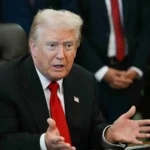
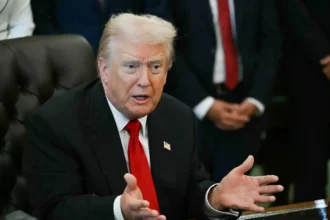
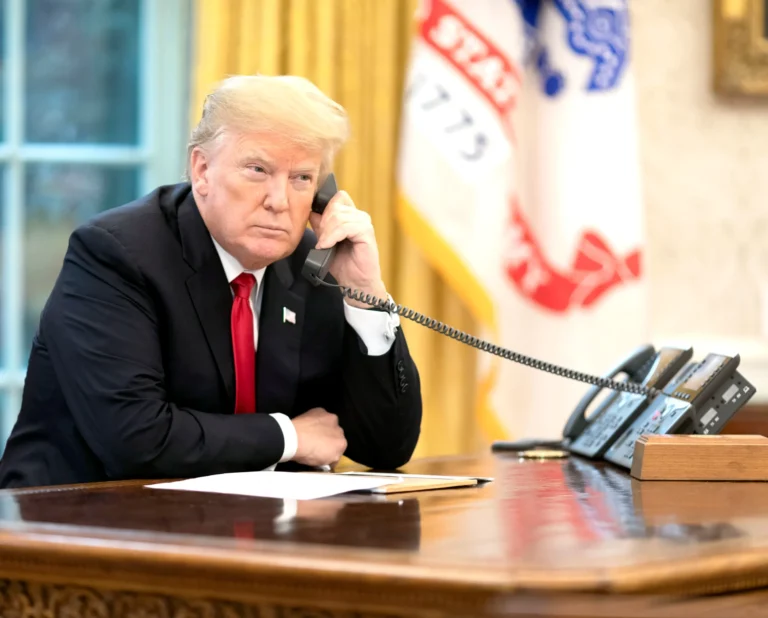
On the other hand, US President Donald Trump stated in his recent remarks from the Oval Office that the chances of reaching a deal with Tehran appear “50/50.” Furthermore, Trump explained that he is currently reviewing Tehran’s latest proposal with his negotiation team, including senior advisors and his special envoy. Consequently, Trump faces a binary choice. He must either sign a “good deal” that ends hostilities or launch powerful and impactful military strikes against Iranian targets. These movements occur amidst intense international anticipation for a decisive decision expected within the next 24 hours.
Framework Deal Details: Toward Reopening the Strait of Hormuz
In the same context, current indicators suggest that the proposed “framework deal” contains essential provisions to end the armed conflict. The deal centers on an official declaration ending the war and reopening the Strait of Hormuz to ensure oil tanker traffic. This will happen in exchange for a gradual easing of sanctions imposed on Tehran. Furthermore, if the framework is announced, both parties plan to launch detailed negotiation rounds lasting several weeks. These rounds will address outstanding issues, which focus primarily on Iran’s nuclear program. Hence, regional diplomacy, led by Pakistan and other regional mediators, is playing a pivotal role. In particular, these mediators are bridging gaps in the legal drafting of the agreement.
Regional Anticipation: Avoiding the “Military Unknown”
Ultimately, political observers emphasize that the regional consensus supporting de-escalation reflects a profound desire to restore economic and political stability. Based on this, regional pressure on Washington aims to preempt any miscalculated escalation that could lead to catastrophic consequences for all involved. Despite the “sharp tone” in exchange rhetoric between Washington and Tehran, the intensive efforts by mediators are boosting the chances for a political exit. Consequently, the international community remains in a state of high alert. The international community is awaiting the outcome of President Trump’s meetings with his negotiators. These meetings will determine the final path for the Islamic Republic and the wider region during this critical phase.