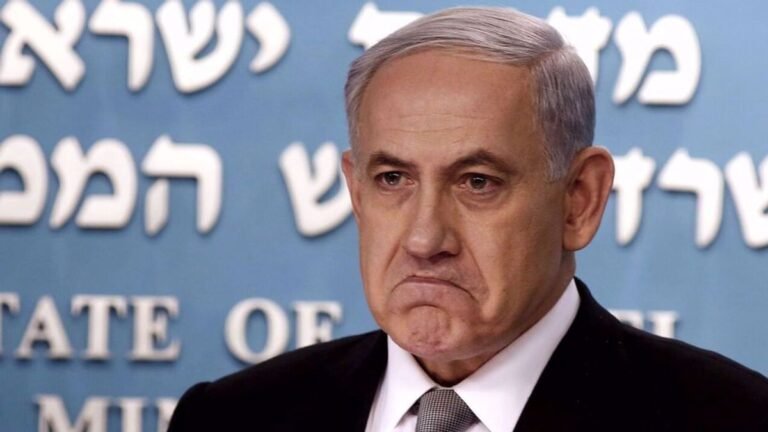
Israeli Prime Minister Benjamin Netanyahu issued a series of fiery statements, asserting that the confrontation with Iran is “not over” and that dealing with this file will persist until Tel Aviv’s security objectives are met. Netanyahu emphasized that Israel would not settle for a policy of containment but seeks the total elimination of the enriched uranium threat and the complete dismantling of Iranian nuclear facilities, viewing current threats as a stage requiring radical and immediate action.
In a speech broadcast by Israeli media, Netanyahu explained that his country is prepared to use “military force” if other means fail to prevent Tehran from acquiring a nuclear weapon. He noted that the existence of operational nuclear facilities under Iranian sovereignty represents an existential threat not only to Israel but to the stability of the entire region, stressing that any technical progress in this field is a “red line” that Tel Aviv will not allow to be crossed under any circumstances.
Dismantling the Nuclear Program and the Use of Force
The Israeli Prime Minister confirmed that security agencies are closely monitoring every activity within Iranian nuclear sites, explaining that the ultimate goal is “complete dismantlement” rather than mere freezing. Netanyahu believes that current international policies have failed to curb Tehran’s nuclear ambitions, placing the military option on the table as a practical tool to ensure Iran does not reach the nuclear threshold required to produce warheads.
These statements indicate an Israeli desire to push major powers toward adopting a stricter strategy or to pave the way for an independent preemptive military operation. The current Israeli discourse focuses on the idea that enriched uranium is a “ticking time bomb” that must be defused immediately, warning that any delay in addressing this dilemma will increase the cost and complexity of a future confrontation.
Missile Threats and Political Pressure
Netanyahu’s escalation did not stop at the nuclear file; he also accused Tehran of a frantic drive to increase the production of advanced ballistic missiles. He argued that the development of these missiles is specifically designed to serve the nuclear project, thereby doubling the regional security threat. He called for continued “maximum” political and military pressure on the Iranian regime to prevent it from enhancing its armament capabilities and expanding its influence through regional proxies.
In conclusion, these remarks reflect the intense tension overshadowing the regional landscape amidst warnings of an expanding conflict. Observers believe that Netanyahu’s sharp tone aims to refocus global attention on the Iranian threat as a top priority, emphasizing that Israel possesses the operational capabilities to reach any target that poses a direct threat to its security, leaving the region facing open-ended escalation scenarios.