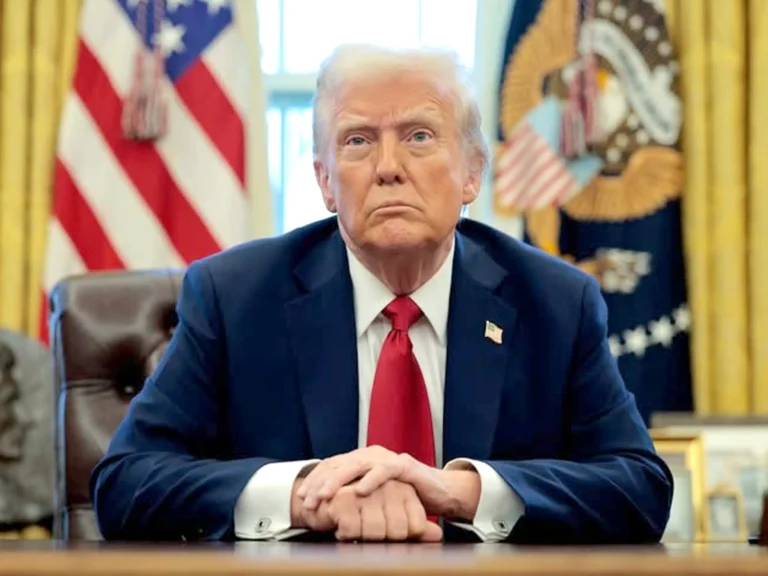
USA – Washington – President Donald Trump predicted the continuation of the current energy crisis. Trump suggested that gas prices in the US would remain at high levels until the next November elections. These statements come amid sharp geopolitical disturbances affecting global supply chains. The President indicated that a significant drop in prices is unlikely in the foreseeable future. The US administration is concerned about the impact of this rise on citizens’ living standards. This statement aims to prepare public opinion for the consequences of ongoing tensions with Tehran.
Expectations of Energy Prices Staying Above the $4 Mark
Trump explained that price stability depends on the cooling of volatile international fronts. Current data indicates that gas prices in the US have effectively crossed the $4 per gallon barrier. Experts believe this rise represents additional pressure on American household budgets in early 2026. The President confirmed that slight changes might occur, but the general trend leans toward stability or increase. Washington is searching for alternatives to ease the burden on consumers before the election season. The energy sector represents the biggest challenge currently facing domestic economic stability.
Impact of Hormuz Strait Tensions on Global Oil Markets
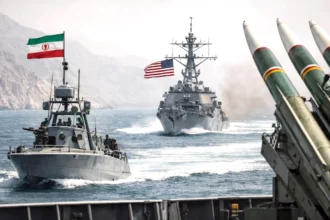
The current rise is directly linked to the security situation in vital waterways. Threats related to navigation have led to an increase in gas prices in the US and global markets. This coincided with tightened US surveillance of ship movement in the strategic Strait of Hormuz. This military step followed the failure of recent diplomatic negotiations with the Iranian side. Financial markets fear sudden disruptions in crude supplies from the Gulf region. Oil tanker movement in the strait remains the primary driver of international price fluctuations.
Economic and Political Repercussions Ahead of Midterm Elections
The US economy faces increasing inflationary risks due to high fuel costs. The increase in gas prices in the US significantly affects public approval ratings for the current administration. Both Republicans and Democrats fear the repercussions of this crisis on the Congressional election results. Research centers expect the “energy bill” to be decisive at the ballot boxes next November. The administration is seeking a delicate balance between military pressure on adversaries and protecting citizens’ pockets. The domestic political scene remains dependent on Washington’s ability to control inflation rates.